Your Body's Internal Clock: The Key to Longevity
 Dominic Mueller
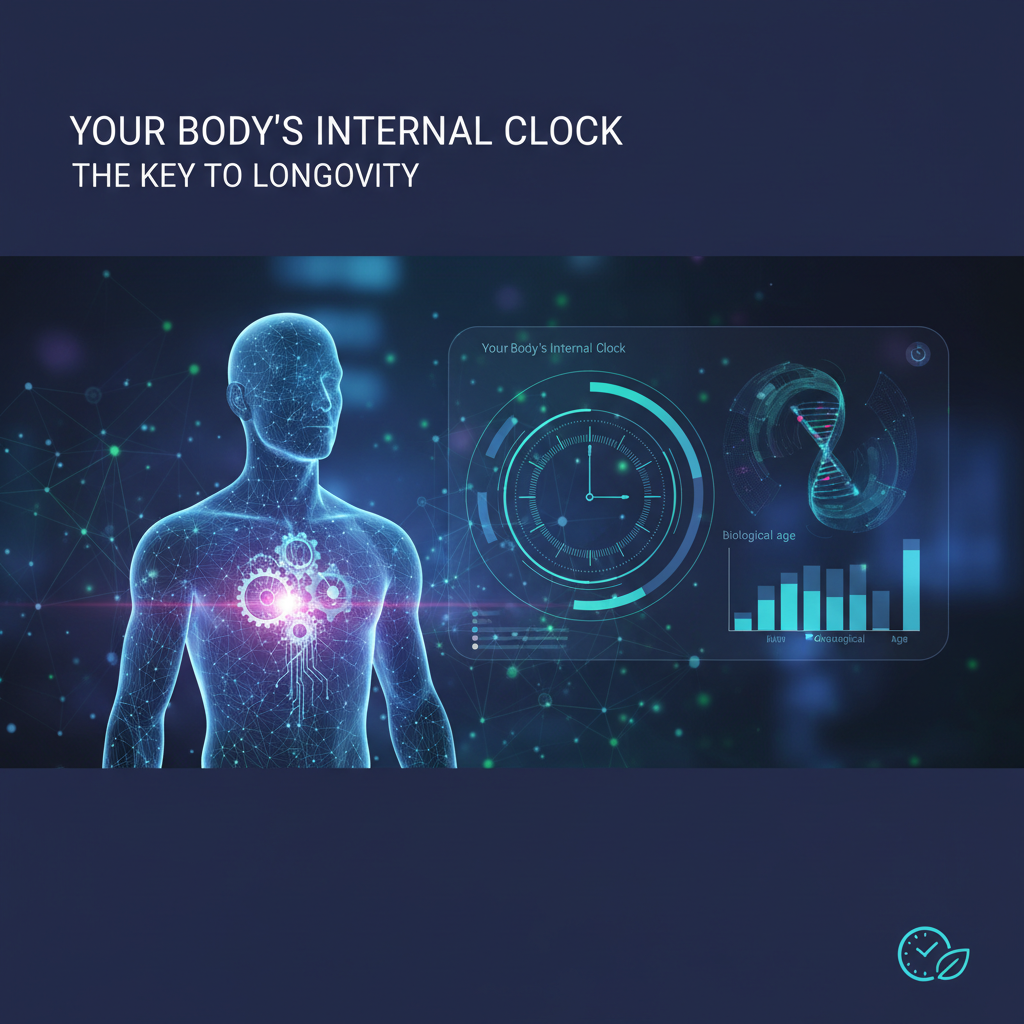
Your Body's Internal Clock: The Rhythmic Secret to Longevity
Imagine a symphony orchestra playing perfectly in sync, each instrument entering at precisely the right moment, creating a harmonious masterpiece. Now, imagine that orchestra residing within you, each "instrument" – from your hormones and metabolism to your sleep-wake cycle and immune response – meticulously orchestrated by an unseen conductor. This conductor is your body's internal clock, a complex, ancient system known as your circadian rhythm.
For centuries, humans have observed the cycles of day and night, seasons, and tides, intuiting that these rhythms influenced life itself. But only in recent decades have we truly begun to unravel the profound impact of these biological clocks on every aspect of our health, well-being, and, crucially, our longevity.
In a world that increasingly battles against natural rhythms – with artificial light blurring day and night, shift work disrupting sleep, and instant gratification overriding biological cues – understanding and respecting our internal clock isn't just about feeling good; it's about adding quality years to our lives and potentially extending our lifespan. This article will delve into the intricate workings of your body's master clock, explore its far-reaching influence on aging, and arm you with practical strategies to synchronize your life with its powerful, life-enhancing tempo.
The Maestro and the Orchestra: Unpacking Your Circadian Rhythm
At the heart of your body's internal clock is the suprachiasmatic nucleus (SCN), a tiny cluster of about 20,000 neurons located in the hypothalamus region of your brain. Often referred to as your "master clock," the SCN receives direct input from your eyes, primarily sensing changes in light and darkness. This light signal is the most powerful cue for synchronizing your internal rhythm with the external 24-hour day.
But the SCN isn't working alone. It acts as a central conductor, sending signals to "slave clocks" found in nearly every cell, tissue, and organ throughout your body. These peripheral clocks regulate local processes, from the liver's glucose metabolism to the gut's digestive enzymes and the skin's cell repair cycles.
What Does the Circadian Rhythm Control?
The influence of your circadian rhythm is astonishingly vast, impacting virtually every physiological process:
- Sleep-Wake Cycles: The most obvious manifestation, determining when you feel sleepy and when you are alert.
- Hormone Production: Dictating the release patterns of hormones like melatonin (for sleep), cortisol (for stress and alertness), and growth hormone (for repair and regeneration).
- Metabolism and Digestion: Influencing when your body is most efficient at processing food, storing energy, and regulating blood sugar.
- Body Temperature: Causing slight fluctuations throughout the day, typically lowest during sleep and highest in the late afternoon.
- Immune System Function: Modulating the activity of immune cells, with implications for fighting off infections and inflammation.
- Cell Repair and Regeneration: Timing the processes critical for maintaining tissue health and replacing damaged cells.
- Cognitive Function: Affecting alertness, memory, and problem-solving abilities at different times of the day.
When these intricate rhythms are disrupted, it's not just an inconvenience; it's a systemic stressor that can have profound long-term consequences for your health and, ultimately, your longevity.
The Tick-Tock of Aging: How Circadian Rhythms Impact Longevity
Emerging research powerfully links healthy circadian function to a longer, healthier life. Conversely, chronic circadian disruption is increasingly recognized as a significant accelerator of aging processes and a risk factor for age-related diseases.
The Science of Rhythmic Aging
- Telomere Maintenance: Telomeres are protective caps at the ends of our chromosomes, often compared to the plastic tips on shoelaces. They shorten with each cell division, and critically short telomeres are associated with cellular aging and disease. Research suggests that healthy circadian rhythms are crucial for the proper functioning of telomerase, the enzyme responsible for maintaining telomere length. Disrupted rhythms can impair this maintenance, leading to faster telomere attrition and accelerated cellular aging.
- DNA Repair Mechanisms: Our DNA is constantly under assault from environmental factors and metabolic byproducts. The body has sophisticated DNA repair systems that operate on a circadian schedule. For example, some repair enzymes are most active during sleep, when the body is in "rest and repair" mode. Chronic sleep deprivation and circadian misalignment can impair these crucial repair processes, leading to an accumulation of DNA damage, which is a hallmark of aging and a driver of diseases like cancer.
- Inflammation and Oxidative Stress: These are two major contributors to aging and chronic diseases. Circadian rhythms regulate the production of inflammatory cytokines and antioxidant enzymes. When the clock is out of sync, these regulatory mechanisms falter, leading to chronic low-grade inflammation (often called "inflammaging") and increased oxidative stress, both of which accelerate cellular damage and contribute to conditions like cardiovascular disease, neurodegenerative disorders, and metabolic syndrome.
- Metabolic Health and Hormonal Balance: The precise timing of hormone release (e.g., insulin, ghrelin, leptin, cortisol) and metabolic activity (e.g., glucose uptake, fat storage) is critical. Irregular eating times, shift work, or chronic sleep deprivation can desynchronize these rhythms, leading to insulin resistance, weight gain, and an increased risk of type 2 diabetes – conditions strongly linked to reduced lifespan.
- Immune System Robustness: Our immune system is not static; its activity ebbs and flows with the circadian rhythm. Key immune cells migrate and become more active at specific times of the day. A well-tuned clock ensures optimal immune surveillance and response. Disruptions, however, can weaken the immune system, making us more susceptible to infections, autoimmune disorders, and potentially reducing our ability to fight off cancerous cells – all factors that compromise longevity.
- Brain Health and Neuroprotection: The brain is highly sensitive to circadian disruption. Chronic misalignment can impair cognitive function, accelerate neuronal damage, and increase the risk of neurodegenerative diseases like Alzheimer's and Parkinson's. Sleep, a critical circadian-regulated process, is vital for clearing metabolic waste products from the brain (via the glymphatic system) and consolidating memories. Without sufficient, quality sleep, brain health deteriorates over time.
Real-World Examples and Research Highlights
- Shift Workers: Studies on shift workers, whose circadian rhythms are perpetually disrupted, consistently show higher rates of metabolic syndrome, cardiovascular disease, certain cancers, and reduced life expectancy compared to day workers.
- Jet Lag: While temporary, repeated jet lag can lead to metabolic dysfunction and cognitive impairment, demonstrating the body's struggle to adapt to rapid time zone changes.
- "Social Jet Lag": This phenomenon describes the discrepancy between our internal biological clock and our social clock (e.g., staying up late on weekends and waking early for work). Research links social jet lag to increased obesity, higher rates of heart disease, and poorer mood.
- Animal Studies: Genetically modified mice with disrupted circadian clocks often exhibit accelerated aging phenotypes, including shorter lifespans, metabolic dysregulation, and increased inflammatory markers. Conversely, interventions that strengthen circadian rhythms in animals have shown promise in extending healthspan.
These examples underscore a crucial point: maintaining a strong, synchronized circadian rhythm is not merely a lifestyle choice; it's a biological imperative for healthy aging and longevity.
Practical Takeaways: Synchronizing Your Life with Your Body's Clock
The good news is that while modern life often conspires against our natural rhythms, there are many actionable strategies we can employ to re-synchronize our internal clocks and reap the benefits for our health and lifespan.
1. Embrace the Power of Light
Light is the primary synchronizer of your master clock.
- Morning Light Exposure: Aim for 10-30 minutes of natural daylight exposure within an hour of waking. Step outside, open curtains, or sit by a window. This signals to your brain that the day has begun, suppressing melatonin and boosting cortisol for alertness.
- Midday Brightness: Maximize natural light exposure throughout the day. Work near windows if possible, and take short breaks outdoors.
- Evening Light Avoidance: As evening approaches, reduce exposure to bright artificial light, especially blue light emitted by screens (phones, tablets, computers, TVs). Use dimmers, switch to warmer light bulbs, or wear blue-light-blocking glasses 2-3 hours before bedtime. This allows your body to naturally increase melatonin production for sleep.
2. Prioritize Consistent Sleep Schedules
This is arguably the most critical aspect of circadian health.
- Fixed Bedtime and Wake-up Time: Go to bed and wake up at roughly the same time every day, even on weekends. This creates a strong, predictable rhythm for your body.
- Aim for 7-9 Hours: Determine your individual sleep need and ensure you consistently meet it.
- Create a Relaxing Bedtime Routine: Wind down for 30-60 minutes before bed with activities like reading, a warm bath, gentle stretching, or meditation. Avoid stimulating activities.
3. Mind Your Mealtimes
Eating is another powerful synchronizer for your peripheral clocks, especially those in your digestive system.
- Consistent Meal Schedule: Try to eat your meals at similar times each day.
- Early Dinner: Aim to finish your last meal several hours before bedtime (e.g., 3-4 hours). Eating late can disrupt sleep and metabolic processes, leading to increased fat storage and insulin resistance.
- Consider Time-Restricted Eating (TRE): This involves consuming all your daily food intake within a specific window (e.g., 8-12 hours) and fasting for the remainder. This can help strengthen circadian rhythms and improve metabolic health, but consult a healthcare professional before making significant dietary changes.
4. Optimize Movement and Exercise
Physical activity also influences your circadian clock and overall well-being.
- Regular Exercise: Engage in regular physical activity, but be mindful of timing.
- Morning/Afternoon Exercise: Generally, exercising in the morning or early afternoon is beneficial for circadian rhythm and energy levels.
- Avoid Intense Evening Workouts: High-intensity exercise too close to bedtime can raise body temperature and stimulate hormones, making it harder to fall asleep.
5. Manage Stress Effectively
Chronic stress can throw your circadian rhythm out of whack by disrupting hormone balance (especially cortisol).
- Stress Reduction Techniques: Incorporate practices like mindfulness, meditation, deep breathing exercises, yoga, or spending time in nature into your daily routine.
- Prioritize Downtime: Schedule periods of relaxation and recovery throughout your day and week.
6. Stay Hydrated and Mind Your Caffeine/Alcohol Intake
- Hydrate Throughout the Day: Water is essential for all bodily functions.
- Caffeine Cut-off: Be mindful of caffeine's half-life. Avoid caffeine in the late afternoon and evening, as it can interfere with sleep.
- Limit Alcohol: Alcohol, while initially inducing drowsiness, fragments sleep and disrupts its quality, negatively impacting circadian function.
7. Consult Your Healthcare Provider
If you suffer from chronic sleep issues, suspect a sleep disorder (like sleep apnea), or have concerns about your circadian rhythm, consult a doctor or a sleep specialist. They can provide personalized advice and interventions.
The Future of Rhythmic Medicine
The field of chronobiology – the study of biological rhythms – is rapidly expanding. We are beginning to see the emergence of "chronotherapy," where medical treatments are timed to align with the body's natural rhythms for maximum efficacy and minimal side effects. This could revolutionize treatments for cancer, autoimmune diseases, and metabolic disorders. Imagine a future where medication dosages are precisely timed to your individual circadian rhythm, or where surgery is scheduled during your body's optimal repair window.
This focus on timing isn't just about drugs; it's about leveraging our innate biological intelligence. Understanding and respecting our internal clock is a cornerstone of personalized medicine, moving us closer to truly holistic healthcare that considers the intricate interplay of our biology with the external world.
Conclusion: Living in Harmony with Time
Your body's internal clock is more than just a mechanism that tells you when to sleep; it is a fundamental orchestrator of your physiological destiny. It dictates the intricate dance of your hormones, the efficiency of your metabolism, the strength of your immune system, and the very pace of your aging process.
In a world that often demands we defy natural rhythms, consciously choosing to re-synchronize with our internal clock is a powerful act of self-care and a profound investment in our longevity. By harnessing the power of light, respecting our sleep, timing our meals, and moving our bodies intelligently, we can bring our internal symphony back into harmony.
Embrace the rhythm. Listen to your body's subtle cues. For in the precise, ancient ticking of your internal clock lies not just the secret to feeling better today, but the profound key to unlocking a longer, healthier, and more vibrant future. It's time to live in sync with the most extraordinary timepiece you'll ever own – your own biological clock.
Make Every Second Count
Inspired by this article? Take action now! Create a custom timer to help you manage your time better and reach your goals.
Create Your TimerAbout Dominic Mueller
Dominic Mueller is a German director for television and film with a deep fascination for time and time measurement. When he's not behind the camera crafting compelling visual stories, he explores the intricate world of temporal perception and timekeeping. Based in the beautiful city of Cologne, Germany, Dominic shares his life with his girlfriend and their beloved dog, Nala, finding inspiration in both the precise mechanics of time and the fleeting moments that make life meaningful.