Rethink "Later": How Procrastination Taxes Your Body
 Dominic Mueller
Rethink "Later": How Procrastination Taxes Your Body
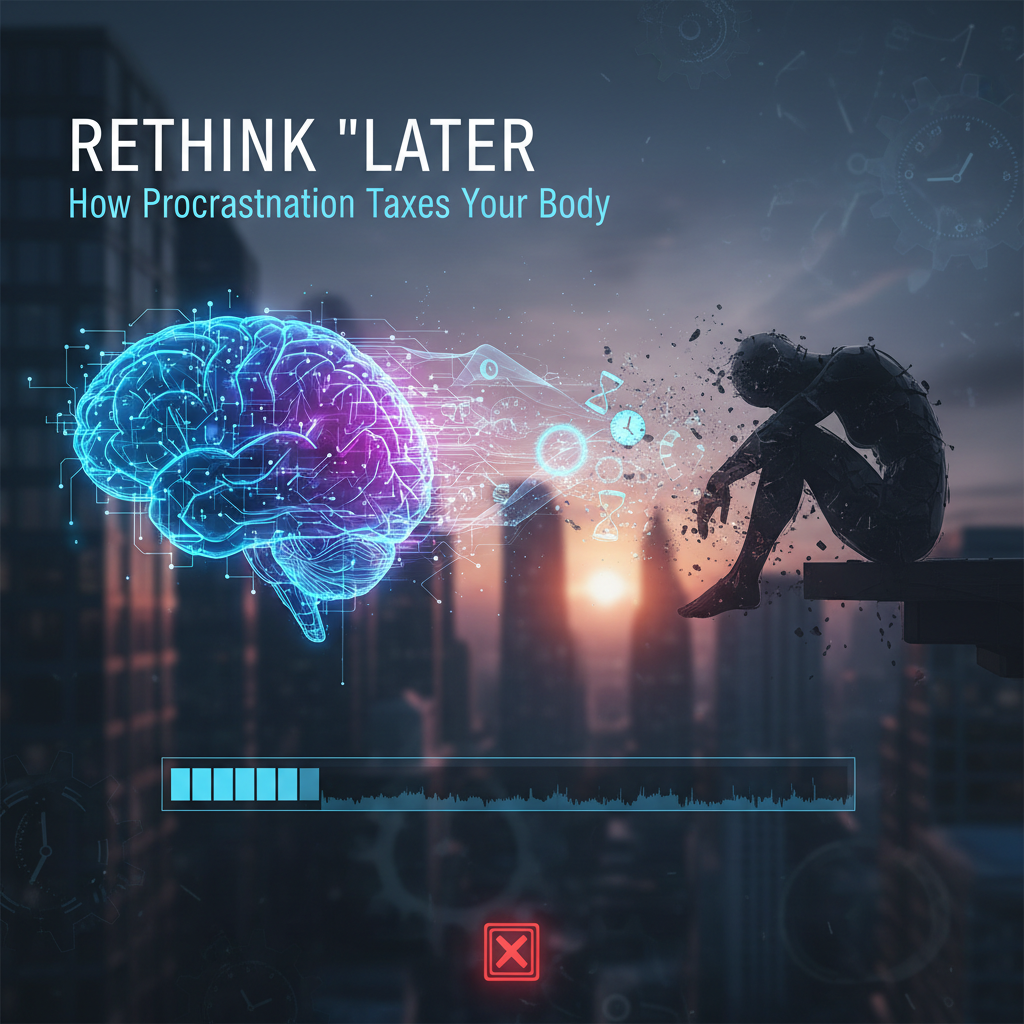
We've all been there. That looming deadline, that overflowing inbox, that difficult conversation we know we should have. The internal dialogue begins: "I'll do it later," "Just five more minutes of scrolling," "It can wait until tomorrow." This seemingly harmless internal negotiation, this deferral of the task at hand, is the insidious whisper of procrastination. What many of us don't realize is that "later" isn't just a temporal shift; it's a silent tax collector, slowly but surely levying a heavy toll on our physical and mental well-being.
In a world obsessed with productivity hacks and time management gurus, the underlying psychological and physiological impacts of chronic delay often get overlooked. It's not just about missed deadlines or subpar work; it's about the deep, biological cost of living in a state of perpetual postponement. This article delves into the profound ways procrastination taxes your body, exploring the science behind the stress, the fatigue, and the chronic health issues it can trigger, and offering insights into how to break free from its grip.
The Temporal Tightrope: Why We Procrastinate
Before we explore the physical toll, let's briefly understand the "why." Procrastination isn't merely laziness; it's a complex interplay of cognitive and emotional factors. Researchers like Dr. Timothy Pychyl, a leading expert on procrastination, define it as "the voluntary delay of an intended course of action despite expecting to be worse off for the delay."
Common reasons for procrastination include:
- Fear of Failure/Success: The task feels too big, or the stakes are too high.
- Perfectionism: The desire for an impeccable outcome can paralyze action.
- Lack of Motivation/Interest: The task is boring or unpleasant.
- Poor Time Management: Underestimating the time required or overestimating future self-discipline.
- Impulsivity: Choosing immediate gratification (e.g., social media) over long-term goals.
- Emotional Regulation: Procrastination is often a strategy to avoid negative emotions associated with a task (e.g., anxiety, boredom, frustration). This is a crucial point, as we'll see, because this avoidance often increases those very emotions.
Regardless of the root cause, the "later" mentality sets in motion a cascade of physiological responses designed for short-term survival, but detrimental in the long run.
The Stress Cascade: How "Later" Triggers Fight-or-Flight
When you put off a task, especially one with a looming deadline, your brain doesn't just forget about it. Instead, it enters a low-level, chronic state of alert. This isn't the intense, acute stress of a sudden threat, but a persistent hum that grinds away at your system.
1. The Amygdala's Alarm Bell: Your amygdala, the brain's emotional processing center, perceives the unaddressed task as a potential threat – a threat to your reputation, your grades, your job security, or even your self-worth. It sounds a subtle alarm, triggering the hypothalamus to activate the sympathetic nervous system.
2. The HPA Axis Kicks In: This alarm initiates the Hypothalamic-Pituitary-Adrenal (HPA) axis. Your hypothalamus releases corticotropin-releasing hormone (CRH), which signals the pituitary gland to release adrenocorticotropic hormone (ACTH). ACTH then travels to your adrenal glands, prompting them to release cortisol – your primary stress hormone.
3. Cortisol's Double-Edged Sword: Cortisol is vital in acute stress, providing a burst of energy and focus. It increases blood sugar, suppresses non-essential bodily functions (like digestion and immunity), and heightens alertness. However, when procrastination keeps you in a state of chronic low-grade stress, cortisol becomes a problem.
*   **Sustained elevated cortisol** can lead to:
    *   **Increased blood pressure and heart rate:** Putting strain on your cardiovascular system.
    *   **Suppressed immune system:** Making you more susceptible to illness.
    *   **Disrupted sleep patterns:** Cortisol is naturally higher in the morning to wake you up, but chronic stress keeps it elevated, making it harder to fall asleep or achieve restorative sleep.
    *   **Digestive issues:** Stress diverts blood flow from the digestive system, leading to problems like IBS, indigestion, and ulcers.
    *   **Weight gain:** Cortisol promotes fat storage, especially around the abdomen, and can increase cravings for high-calorie comfort foods.
    *   **Brain fog and impaired cognitive function:** Chronic stress can shrink the hippocampus (involved in memory and learning) and damage the prefrontal cortex (responsible for executive functions like planning and decision-making) – ironically, the very functions needed to overcome procrastination!
The Time Crunch: The Tyranny of the Eleventh Hour
Procrastination inherently compresses time. What could have been a calm, measured approach over days or weeks gets crammed into hours. This artificial time crunch intensifies all the stress responses mentioned above.
- Adrenaline Overload: The panic of an impending deadline triggers a surge of adrenaline, providing a temporary burst of energy and focus. While this can sometimes lead to a "productive burst," it's unsustainable and exhausts the body.
- Sleep Deprivation: The final push often means sacrificing sleep, compounding physical and mental fatigue. Lack of sleep further elevates stress hormones, impairs cognitive function, and weakens the immune system.
- Poor Decision-Making: Under intense time pressure, our brains resort to heuristics and shortcuts, often leading to lower quality work, overlooked details, and regret.
- Nutritional Neglect: In the rush, healthy eating habits often go out the window, replaced by quick, processed foods, sugary snacks, and excessive caffeine – all of which further destabilize blood sugar and energy levels, contributing to a vicious cycle of fatigue and crash.
Interesting Fact: Studies have shown that procrastinators report higher levels of stress and illness, particularly around deadlines. A study published in Psychological Science found that while procrastinators might feel better in the short term by delaying, they experience greater stress, more health problems, and poorer academic performance by the end of the semester.
Beyond Stress: The Broader Physiological Toll
The physical tax of procrastination extends beyond the immediate stress response. It erodes your health in more subtle, long-term ways.
1. Chronic Inflammation
Sustained high levels of cortisol and other stress hormones can lead to chronic, low-grade inflammation throughout the body. Inflammation is the body's natural healing response, but when it becomes chronic, it's implicated in a wide range of serious health conditions:
- Heart Disease: Contributes to hardening of the arteries (atherosclerosis).
- Diabetes: Can impair insulin sensitivity.
- Autoimmune Diseases: Worsens symptoms and flare-ups.
- Neurodegenerative Diseases: Linked to conditions like Alzheimer's and Parkinson's.
- Cancer: Chronic inflammation is a known risk factor.
2. Digestive Distress
The gut-brain axis is a two-way superhighway. Stress directly impacts gut motility, permeability, and the balance of gut bacteria. Procrastination-induced anxiety can manifest as:
- Irritable Bowel Syndrome (IBS): Exacerbating symptoms like bloating, pain, constipation, and diarrhea.
- Heartburn and Acid Reflux: Increased stomach acid production.
- Nausea and Loss of Appetite: Or, conversely, stress-eating.
3. Musculoskeletal Pain
The physical manifestation of stress often includes muscle tension. When you're perpetually worried or anxious about delayed tasks, your muscles, particularly in the neck, shoulders, and back, can remain contracted. This sustained tension leads to:
- Headaches (tension headaches and migraines): Often a direct result of tight neck and shoulder muscles.
- Chronic Back Pain: Poor posture adopted during long, rushed work sessions, combined with muscle tension.
- Jaw Clenching (Bruxism): Especially prevalent during sleep, leading to dental issues and TMJ pain.
4. Poor Sleep Quality
The cognitive arousal associated with procrastination – the endless rumination about what needs to be done and the self-reproach for not doing it – makes it incredibly difficult to unwind and fall asleep. Even when sleep is achieved, it's often fragmented and less restorative due to elevated stress hormones. Over time, chronic sleep deprivation leads to:
- Fatigue and Low Energy: A constant state of tiredness.
- Impaired Cognitive Function: Reduced attention, memory, and problem-solving skills.
- Mood Disturbances: Increased irritability, anxiety, and depression.
- Weakened Immune System: Making you more susceptible to colds and flu.
- Increased Risk of Accidents: Due to reduced alertness.
Research Highlight: A study published in Personality and Individual Differences found a strong correlation between procrastination, perceived stress, and various psychosomatic symptoms like headaches, stomach problems, and fatigue. The act of delaying, rather than alleviating stress, actually increases it in the long run, manifesting physically.
The Psychological Burden: A Weight on the Mind
While this article focuses on the physical, it's impossible to separate the body from the mind. The constant anxiety, guilt, and self-blame that accompany procrastination are profound. This psychological burden further taxes the body by perpetuating the stress response.
- Guilt and Shame: "Why can't I just start?" "I'm so lazy." These internal dialogues erode self-esteem.
- Anxiety and Depression: Chronic procrastination is a significant risk factor for both, creating a vicious cycle where these conditions make it even harder to initiate tasks.
- Reduced Self-Efficacy: The belief in one's own ability to succeed diminishes with every delayed task.
Practical Takeaways: Reclaiming Your Time and Health
Understanding the toll "later" takes is the first step. The next is to arm yourself with strategies to break the cycle. This isn't about becoming a productivity robot, but about fostering a healthier relationship with time and tasks.
- Acknowledge and Validate Your Feelings: Procrastination is often an emotional regulation strategy. Instead of berating yourself for feeling anxious about a task, acknowledge that feeling. "This task makes me feel overwhelmed, and that's okay."
- The "Two-Minute Rule": If a task takes less than two minutes, do it immediately. This small win builds momentum and reduces the mental load of tiny undone tasks.
- Break Down Large Tasks: An overwhelming project becomes manageable when broken into smaller, actionable steps. Focus on just the next step.
- Set Micro-Deadlines: Instead of one big deadline, create smaller, internal deadlines for each sub-task. This distributes the pressure and provides more frequent opportunities for accomplishment.
- Time Blocking: Dedicate specific, uninterrupted blocks of time in your schedule for focused work on particular tasks. Treat these blocks like non-negotiable appointments.
- The Pomodoro Technique: Work for 25 minutes, then take a 5-minute break. After four "pomodoros," take a longer 15-30 minute break. This structured approach helps maintain focus and prevents burnout.
- Identify Your Triggers: What usually leads you to procrastinate? Is it fear of failure, boredom, or distraction? Once you know your triggers, you can develop coping mechanisms.
- "Pre-Commitment" Strategies: Make it harder to procrastinate. Examples include telling a colleague about your deadline, working in a public space, or turning off internet access for a set period.
- Reward Yourself (Wisely): After completing a challenging task (or a significant portion of it), allow yourself a small, healthy reward. This reinforces positive behavior.
- Practice Self-Compassion: Understand that overcoming procrastination is a journey, not a destination. There will be setbacks. Treat yourself with kindness, learn from the experience, and get back on track.
- Prioritize Sleep and Self-Care: A well-rested, nourished body is far better equipped to tackle challenging tasks and resist the urge to procrastinate. Make sleep, healthy eating, and physical activity non-negotiable.
- Mindfulness and Stress Reduction: Practices like meditation, deep breathing, and spending time in nature can help regulate your nervous system, reducing the chronic stress that feeds procrastination.
Conclusion: Investing in Your Present Self
The phrase "I'll do it later" might sound like a promise to your future self, but more often, it's a burden you place on them. It’s a deferred payment, accruing interest in the form of elevated stress hormones, chronic inflammation, digestive woes, poor sleep, and a general feeling of being overwhelmed. The tax on your body isn't just about missing a deadline; it's about diminishing your vitality, compromising your long-term health, and eroding your peace of mind.
By understanding the profound physiological impact of procrastination, we can reframe our relationship with time and tasks. It's not just about getting things done; it's about protecting our most precious asset – our health. By consciously choosing to act in the present, by breaking down daunting tasks, and by cultivating self-compassion, we don't just become more productive; we become healthier, happier, and more resilient versions of ourselves. Let's start investing in our present self, for the sake of our future well-being. Tomorrow's body will thank you for what you choose to do today.
Make Every Second Count
Inspired by this article? Take action now! Create a custom timer to help you manage your time better and reach your goals.
Create Your TimerAbout Dominic Mueller
Dominic Mueller is a German director for television and film with a deep fascination for time and time measurement. When he's not behind the camera crafting compelling visual stories, he explores the intricate world of temporal perception and timekeeping. Based in the beautiful city of Cologne, Germany, Dominic shares his life with his girlfriend and their beloved dog, Nala, finding inspiration in both the precise mechanics of time and the fleeting moments that make life meaningful.