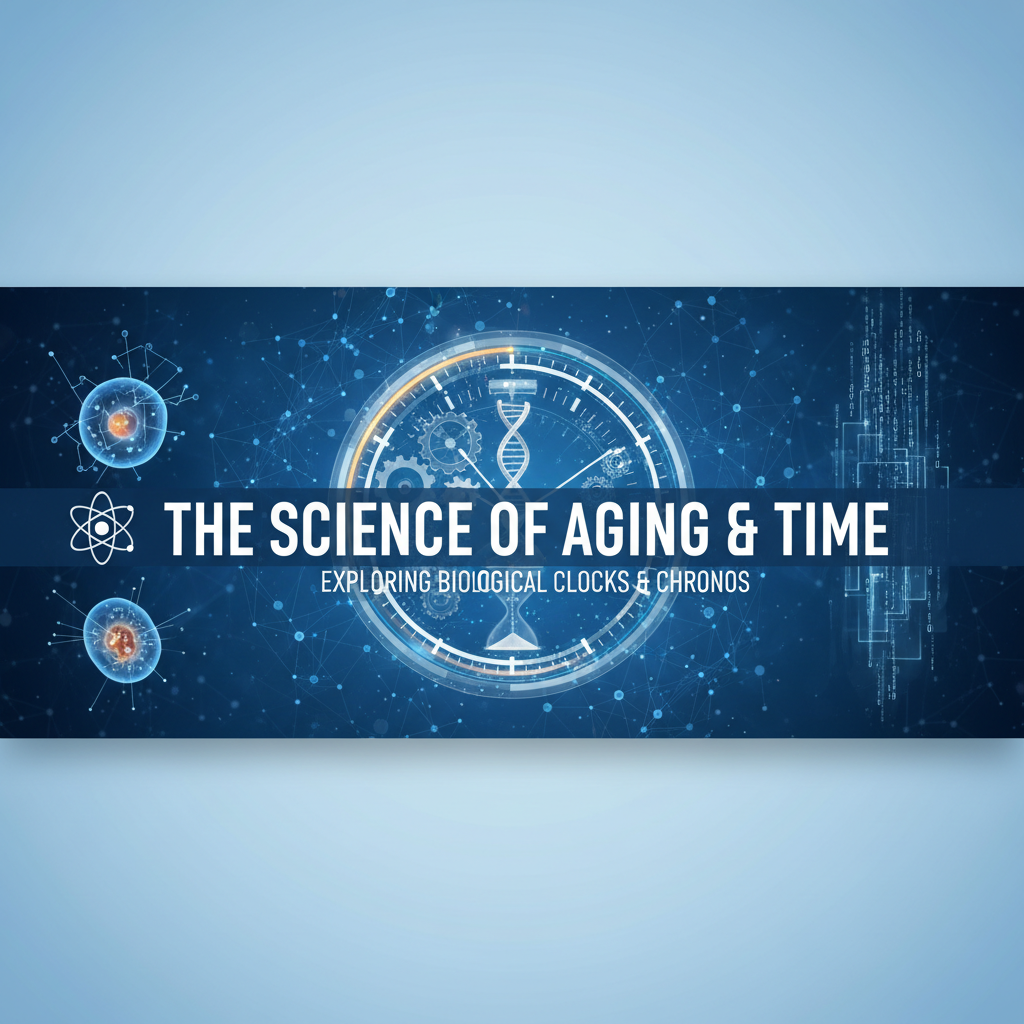
The Science of Aging and Time
 Dominic Mueller
The Unstoppable March: Unraveling the Science of Aging and Time
Tick-tock. Tick-tock. From the moment we draw our first breath, an invisible clock begins its relentless countdown. It’s a universal truth, an unyielding force that shapes every living organism: aging. While we all experience its effects – wrinkles appearing, joints stiffening, memories fading – the underlying science of this biological phenomenon is far more intricate and fascinating than a simple decline. At its heart, aging is a profound dance with time, a symphony of molecular changes influenced by genetics, environment, and even our perception.
But what if we could decipher the music, understand the choreography? What if we could, not stop time, but perhaps slow its biological tune? This isn't science fiction; it's the frontier of modern biological research. In this comprehensive exploration, we'll delve into the multifaceted science of aging, examining its molecular mechanisms, the role of time, and the cutting-edge technologies striving to extend not just lifespan, but healthspan – the duration of a healthy and productive life. Prepare to journey into the very fabric of our existence, where biology meets the relentless flow of chronological time.
The Pillars of Aging: A Multi-faceted Process
Aging isn't a single switch being flipped; it's a complex interplay of various cellular and molecular processes that accumulate damage over time. While scientists don't yet agree on a single, unified "theory of aging," several prominent hallmarks have emerged, each contributing to the overall decline.
1. Genomic Instability: The Blueprint Under Attack
Our DNA is the instruction manual for our bodies, but it's constantly under assault. From environmental toxins to replication errors during cell division, our genome is prone to damage. While repair mechanisms are robust, they aren't perfect. Over time, these unrepaired damages accumulate, leading to mutations that can disrupt gene function, promote cancer, and impair cellular processes. Telomeres, the protective caps at the ends of our chromosomes, are also crucial. Every time a cell divides, telomeres shorten. Once they reach a critical length, the cell enters senescence (stops dividing) or undergoes programmed cell death (apoptosis). This shortening is a biological timer, directly linking cell division with chronological time.
2. Telomere Attrition: The Cell's Internal Clock
As mentioned, telomeres are like the plastic tips on shoelaces, preventing our genetic material from fraying. With each cell division, they get shorter. This natural shortening is a fundamental measure of a cell's replicative history, acting as a biological clock. When telomeres become critically short, cells either stop dividing permanently (senescence) or die. This limitation on cell division is thought to be a protective mechanism against cancer, but it also directly contributes to tissue aging and reduced regenerative capacity. Intriguingly, enzymes like telomerase can rebuild telomeres, but their activity is often tightly regulated in adult somatic cells, becoming reactivated in cancer cells, a paradox researchers are still unraveling.
3. Epigenetic Alterations: The Software of Life Changes
Beyond the DNA sequence itself, epigenetics refers to modifications that affect gene expression without changing the underlying genetic code. Think of it as the software that tells the hardware (DNA) what to do. Over time, these epigenetic "tags" – like DNA methylation and histone modifications – accumulate changes. These alterations can lead to genes being inappropriately turned on or off, contributing to cellular dysfunction and the hallmarks of aging. For example, changes in methylation patterns are observed in aging tissues and are even used as "epigenetic clocks" to estimate biological age, often more accurately than chronological age. This suggests that while chronological time marches on, our biological age can vary significantly.
4. Loss of Proteostasis: Misfolding and Aggregation
Proteins are the workhorses of our cells, performing virtually every function. Proteostasis refers to the cellular systems that ensure proteins are properly folded, functional, and degraded when damaged. As we age, these systems become less efficient. Misfolded proteins can accumulate, forming aggregates that interfere with cellular processes. This is prominently observed in neurodegenerative diseases like Alzheimer's and Parkinson's, where protein aggregates (amyloid plaques and Lewy bodies) are hallmarks. The ongoing struggle to maintain protein quality is a significant battle against time's degradative influence.
5. Deregulated Nutrient Sensing: A Faltering Dialogue
Our cells constantly monitor nutrient availability to regulate growth, metabolism, and repair. Key pathways like the mTOR (mammalian target of rapamycin) pathway, AMPK (AMP-activated protein kinase), and sirtuins are sensitive to nutrient levels. In youth, these pathways are finely tuned. As we age, this nutrient sensing becomes deregulated, contributing to metabolic dysfunction, increased inflammation, and accelerated aging. Modulating these pathways, for example through caloric restriction or specific compounds, has shown promise in extending lifespan in various organisms, highlighting the profound link between metabolism, cellular health, and the aging process.
6. Mitochondrial Dysfunction: The Powerhouse Fades
Mitochondria are the power generators of our cells, producing ATP (adenosine triphosphate) – the energy currency. They are also a major source of reactive oxygen species (ROS), byproducts of energy production that can damage cellular components. While antioxidants help neutralize ROS, over time, the balance can tip, leading to oxidative stress. Furthermore, mitochondria themselves become less efficient and accumulate damage with age. This decline in energy production and increase in oxidative stress significantly contribute to cellular aging and the functional decline of various tissues.
7. Cellular Senescence: Zombie Cells on the Loose
Senescent cells are often called "zombie cells" because they stop dividing but don't die. Instead, they remain metabolically active and secrete a cocktail of inflammatory molecules, growth factors, and proteases – collectively known as the Senescence-Associated Secretory Phenotype (SASP). This SASP can damage neighboring healthy cells, promote chronic inflammation, and contribute to tissue dysfunction and various age-related diseases. The accumulation of senescent cells in tissues is a direct consequence of chronological time passing and cellular damage accumulating, signaling a cellular "retirement" that unfortunately harms the local environment.
8. Stem Cell Exhaustion: Losing the Ability to Repair
Our bodies constantly repair and replace damaged cells and tissues, thanks to resident stem cells. These undifferentiated cells have the remarkable ability to self-renew and differentiate into specialized cell types. However, with age, stem cell populations decline in number and function. Their regenerative capacity diminishes, leading to impaired tissue repair, slower wound healing, and a decreased ability to regenerate damaged organs. This exhaustion of our body's repair crew is a critical factor in the overall functional decline associated with aging.
9. Altered Intercellular Communication: The Whisper Fades
Cells don't exist in isolation; they constantly communicate with each other through various signaling molecules. As we age, this intricate communication network can become disrupted. Increased inflammation, changes in hormone levels, and altered extracellular matrix composition all contribute. This impaired communication can lead to a loss of tissue homeostasis, where tissues struggle to maintain their stable internal environment, further exacerbating the aging process.
The Time-Defying Technologies: Pushing the Boundaries
Understanding these hallmarks has paved the way for innovative technologies and interventions aimed at slowing, or even reversing, aspects of the aging process. While none offer a true "fountain of youth," they represent significant steps towards extending healthy longevity.
A. Senolytics and Senomorphics: Targeting Zombie Cells
One of the most exciting breakthroughs has been the development of senolytics – drugs that selectively kill senescent cells. Early research in mice has shown that clearing senescent cells can improve physical function, extend lifespan, and alleviate symptoms of various age-related diseases. Senomorphics, on the other hand, aim to modulate the detrimental effects of the SASP without necessarily killing the senescent cells. This targeted approach to remove or neutralize "zombie cells" holds immense promise for improving healthspan.
B. Gene Editing (CRISPR): Rewriting the Code
Technologies like CRISPR-Cas9 gene editing offer the unprecedented ability to precisely modify DNA. This could theoretically be used to correct age-related mutations, enhance DNA repair mechanisms, or even activate genes associated with longevity. While still in early stages for human therapeutic applications related to aging, the potential to "rewrite" the genomic blueprint offers a powerful tool for understanding and potentially intervening in the aging process.
C. Reprogramming Factors: Turning Back the Clock
Nobel Prize-winning research by Shinya Yamanaka showed that mature cells can be reprogrammed into induced pluripotent stem cells (iPSCs) using specific transcription factors (often called "Yamanaka factors"). This process effectively reverses the cells' biological age by resetting their epigenetic clock. While full body reprogramming in humans is currently impractical and risky (due to tumorigenesis), localized or partial reprogramming strategies are being explored to rejuvenate specific tissues or organs, offering a fascinating glimpse into the possibility of turning back the cellular clock.
D. NAD+ Precursors: Boosting Cellular Energy
Nicotinamide adenine dinucleotide (NAD+) is a crucial coenzyme involved in hundreds of cellular processes, including energy metabolism and DNA repair. NAD+ levels decline with age, contributing to mitochondrial dysfunction and impaired cellular function. Supplementing with NAD+ precursors, such as nicotinamide mononucleotide (NMN) and nicotinamide riboside (NR), has shown promising results in animal studies, improving metabolic health, muscle function, and even extending lifespan. Human trials are ongoing, exploring the potential of these compounds to combat age-related decline.
E. AI and Big Data: Deciphering the Aging Code
The sheer complexity of biological data generated by aging research – genomics, epigenomics, proteomics, metabolomics – necessitates the use of artificial intelligence (AI) and big data analytics. AI can identify novel biomarkers of aging, predict individual responses to interventions, and accelerate drug discovery by screening vast libraries of compounds for their anti-aging potential. This technological synergy is crucial for unraveling the intricate network of molecular changes that define aging.
Practical Takeaways: Shaping Your Biological Time
While cutting-edge research continues, there are actionable steps you can take today to positively influence your biological age and extend your healthy lifespan.
- Embrace a Healthy Lifestyle: This foundational advice remains paramount. A balanced diet rich in whole foods, regular physical activity, adequate sleep, and stress management are powerful tools against aging. These habits positively impact all the hallmarks of aging, from reducing inflammation to improving mitochondrial function.
- Prioritize Sleep: Quality sleep is not a luxury; it's essential for cellular repair and maintenance. During sleep, your body clears waste products, repairs DNA damage, and consolidates memories. Chronic sleep deprivation accelerates many aspects of aging.
- Manage Stress: Chronic stress elevates cortisol levels, which can lead to inflammation, telomere shortening, and impaired immune function. Incorporate stress-reducing practices like mindfulness, meditation, or spending time in nature.
- Engage Your Mind: Lifelong learning, solving puzzles, and staying socially connected can contribute to cognitive health and potentially delay cognitive decline.
- Consider Caloric Restriction (or Mimics): While extreme caloric restriction is difficult to maintain, approaches like intermittent fasting can induce beneficial cellular responses similar to those seen with caloric restriction, such as improved nutrient sensing and cellular autophagy (cellular "self-cleaning").
- Regular Health Check-ups: Early detection and management of age-related diseases are critical. Regular screenings and discussions with your doctor can help address issues before they become debilitating.
The Future of Living Longer, Better
The science of aging is undergoing a profound revolution. We are moving beyond simply accepting aging as an inevitable process into an era where we understand its mechanisms and actively seek to intervene. The intersection of biology, medicine, and cutting-edge technology is creating a future where the relentless march of chronological time may not equate to an equally relentless biological decline.
The vision is not to live forever, but to extend the period of robust health and vitality, allowing individuals to pursue passions, contribute to society, and enjoy life's moments for many more years. The journey to truly master biological time is long and complex, but with each passing day, scientific advancements bring us closer to a future where we can not only witness the passage of time but also strategically influence its effects on our bodies and minds. The clock will always tick, but perhaps, we can learn to read its hands with greater insight and even adjust its speed.
Make Every Second Count
Inspired by this article? Take action now! Create a custom timer to help you manage your time better and reach your goals.
Create Your TimerAbout Dominic Mueller
Dominic Mueller is a German director for television and film with a deep fascination for time and time measurement. When he's not behind the camera crafting compelling visual stories, he explores the intricate world of temporal perception and timekeeping. Based in the beautiful city of Cologne, Germany, Dominic shares his life with his girlfriend and their beloved dog, Nala, finding inspiration in both the precise mechanics of time and the fleeting moments that make life meaningful.