Gut Health & Your Inner Clock: A Timely Connection
 Dominic Mueller
Gut Health & Your Inner Clock: A Timely Connection
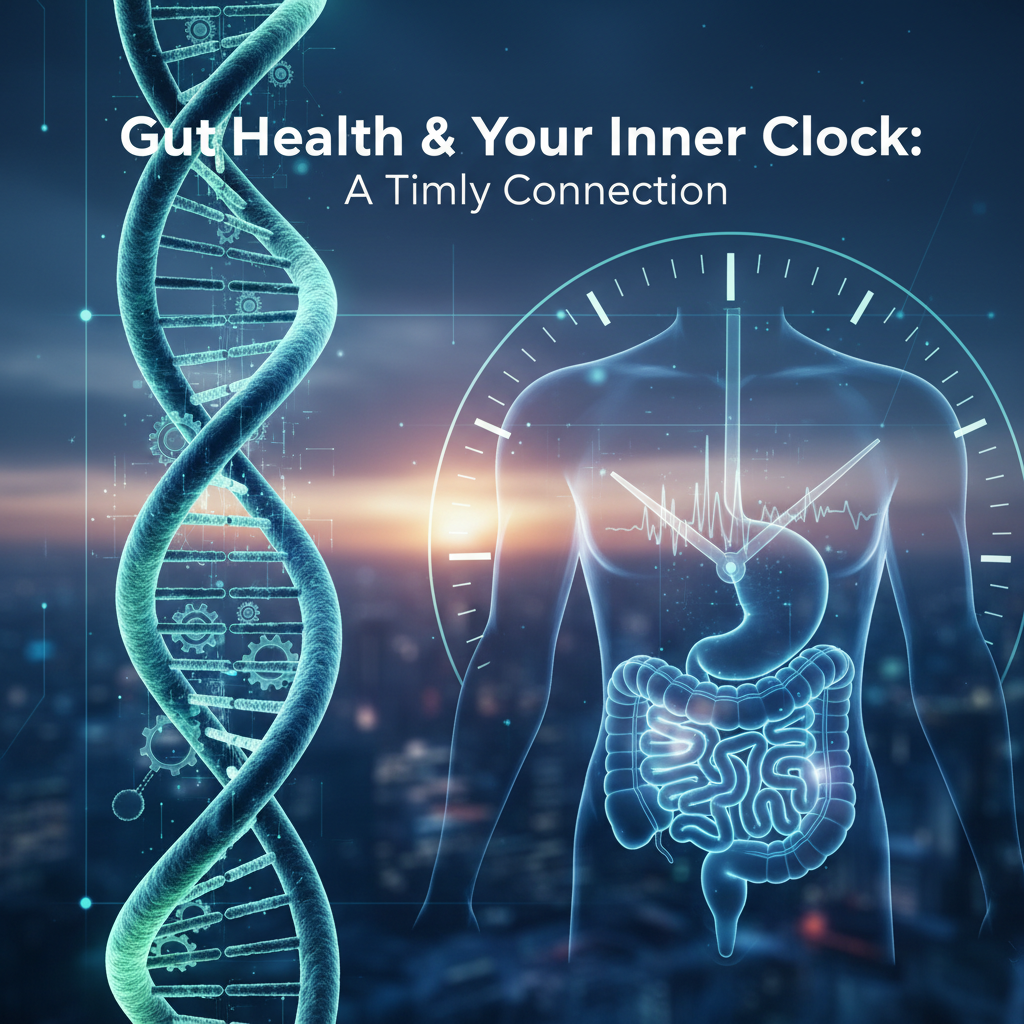
Have you ever wondered why you feel sluggish after a late-night meal, or why certain foods seem to disrupt your sleep? The answer might lie in a fascinating and increasingly understood interplay between two seemingly disparate aspects of our biology: our gut health and our internal biological clock. Far from operating in isolation, these two systems are in a constant, intricate dance, influencing everything from our digestion and metabolism to our mood and overall well-being.
In an age where health articles bombard us with the latest superfoods and exercise routines, the timing of our actions often gets overlooked. Yet, when we delve into the world of circadian rhythms and the bustling metropolis within our gut, it becomes strikingly clear that when we eat, when we sleep, and when our gut microbes are active are just as crucial as what we consume. This article will embark on a journey to unravel this timely connection, exploring the science, the implications, and the practical steps you can take to synchronize your inner world for optimal health.
The Maestro and the Orchestra: Understanding Circadian Rhythms
At the heart of this connection lies our circadian rhythm – a 24-hour cycle of biological processes that dictates when we feel awake, when we feel sleepy, and when various bodily functions peak and trough. Think of it as your body's internal atomic clock, meticulously regulating everything without you even realizing it. The primary conductor of this orchestra is the suprachiasmatic nucleus (SCN), a tiny region in the brain's hypothalamus that responds to light and dark cues from our environment.
However, the SCN isn’t the only clock in town. Almost every cell and organ in our body, including our liver, pancreas, and yes, even our gut, possesses its own "peripheral clock." These peripheral clocks are synchronized by the SCN, but they also respond to their own local cues, with food intake being one of the most powerful.
Key Facts about Circadian Rhythms:
- Ancient Roots: Circadian rhythms are evolutionarily ancient, found in nearly all living organisms, from single-celled bacteria to complex mammals.
- Beyond Sleep: While often associated with the sleep-wake cycle, circadian rhythms regulate blood pressure, body temperature, hormone release, metabolism, and immune function.
- Light is Key: Exposure to natural light, especially in the morning, helps to set and maintain a healthy circadian rhythm. Conversely, artificial light at night can disrupt it.
The Gut Microbiome: A Bustling Community on a Schedule
Now, let's turn our attention to the gut. Inside our intestines resides a vibrant ecosystem of trillions of microorganisms – bacteria, viruses, fungi, and other microbes – collectively known as the gut microbiome. Far from being mere passengers, these microbes play an indispensable role in our health, aiding in digestion, synthesizing vitamins, strengthening our immune system, and even influencing our mood.
What's fascinating is that this microbial community isn't a static entity. Just like us, our gut microbes have their own daily rhythms, with distinct fluctuations in their composition and activity throughout the 24-hour cycle. Some species become more active during our waking hours, while others ramp up their activity when we're asleep.
Research Spotlight:
Studies have shown that mice kept in constant darkness, thus disrupting their circadian rhythms, exhibit altered gut microbial compositions, often leading to detrimental health effects. Similarly, human studies have linked shift work, a chronic disruptor of circadian rhythms, to changes in gut microbiome diversity and an increased risk of metabolic disorders. This strongly suggests a bidirectional relationship – our circadian clock influences our gut microbiome, and in turn, the microbiome can send signals back to influence our internal clock.
The Timely Interplay: How They Influence Each Other
The connection between our inner clock and our gut health is a deeply intertwined web of biochemical signals and physiological responses.
1. Timing of Food Intake and Microbial Rhythms
Perhaps one of the most direct influences is the timing of our meals. When we eat, we provide nutrients to our gut microbes. This regular influx of food acts as a powerful "zeitgeber" (time-giver) for the peripheral clocks in our gut and for the microbes themselves.
- Daytime Feasting: During our active hours, certain gut bacteria thrive on the carbohydrates and proteins we consume, aiding in digestion and nutrient absorption.
- Nighttime Fasting: As we fast overnight, different microbial populations become more active, perhaps focusing on "housekeeping" tasks, breaking down residual waste, and preparing the gut for the next day's intake.
- Disruption's Downfall: Eating late at night, or grazing continuously, disrupts these natural rhythms. It can lead to an overgrowth of certain bacteria, upset the delicate balance of the microbiome, impair digestion, and even contribute to conditions like acid reflux and metabolic syndrome. Our body, designed for a period of rest and repair, is instead forced to digest, leading to cellular stress.
2. Bile Acids and Circadian Sync
Beyond food, the liver plays a critical role. It produces bile acids, which are crucial for fat digestion. The production and secretion of bile acids follow a strong circadian rhythm, peaking around meal times. Interestingly, gut microbes metabolize these bile acids, producing secondary bile acids that can, in turn, signal back to our peripheral clocks, influencing their timing. This creates a feedback loop: our clock dictates bile acid production, and bile acid metabolism by microbes influences our clock.
3. Gut Hormones and Clock Regulation
The gut is a significant endocrine organ, producing a myriad of hormones that regulate appetite, metabolism, and even mood. Many of these hormones, such as ghrelin (the hunger hormone) and leptin (the satiety hormone), exhibit strong circadian rhythms. These rhythms are influenced by meal timing and by the activity of the gut microbiome. Dysregulated gut microbes can disturb these hormone cycles, contributing to cravings, weight gain, and difficulty maintaining a healthy metabolic state.
4. Immune System Modulation
Our gut microbiome is intimately linked with our immune system. Both also operate on a circadian schedule. Immune cells show varying levels of activity throughout the day, with periods of heightened surveillance and periods of rest. A healthy, rhythmic gut microbiome supports a balanced immune response. When our circadian rhythm is disrupted (e.g., due to jet lag or shift work), it can lead to a "leaky gut," where the gut barrier becomes compromised. This allows toxins and undigested food particles to enter the bloodstream, triggering systemic inflammation and potentially leading to chronic health issues.
The Ramifications of Disrupted Synchronization
When the intricate dance between our gut and our clock falls out of sync, the consequences can be far-reaching:
- Metabolic Disorders: Increased risk of insulin resistance, type 2 diabetes, obesity, and non-alcoholic fatty liver disease. The body processes sugars and fats less efficiently when food is consumed outside of rhythmic windows.
- Digestive Issues: Greater incidence of acid reflux, IBS symptoms, bloating, and irregular bowel movements.
- Sleep Disturbances: A disrupted gut can send signals to the brain that interfere with sleep, creating a vicious cycle where poor sleep further harms gut health.
- Mood and Mental Health: The gut-brain axis is a two-way street. Disruptions in the gut microbiome and circadian rhythms can impact neurotransmitter production (like serotonin, 90% of which is produced in the gut) and contribute to anxiety and depression.
- Reduced Immune Function: Increased susceptibility to infections and inflammation.
Practical Takeaways: Synchronizing Your Inner World
Understanding this timely connection empowers us to make conscious choices that support both our gut health and our circadian rhythms. Here are actionable steps to synchronize your inner world:
1. Embrace Consistent Meal Timing: Intermittent Fasting (Time-Restricted Eating) Done Right
- Define Your Eating Window: Aim to consume all your meals within an 8-12 hour window each day, followed by a 12-16 hour fasting period. This allows your gut to rest and repair and helps reset its peripheral clocks. For example, if you have breakfast at 8 AM, try to finish dinner by 6 PM.
- Prioritize a Morning Meal: While not everyone needs breakfast, when you break your fast matters. Consuming the majority of your calories earlier in the day is often more aligned with our metabolic rhythms.
- Avoid Late-Night Snacking: This is perhaps one of the most crucial steps. Eating close to bedtime sends confusing signals to your digestive system, interrupting its natural nighttime repair processes and forcing it to work when it should be resting.
2. Optimize Light Exposure: The Master Clock Regulator
- Morning Sunlight: Get 10-30 minutes of natural light exposure within an hour of waking up. This helps suppress melatonin and signals to your SCN that the day has begun.
- Limit Evening Artificial Light: Reduce exposure to bright artificial lights, especially blue light from screens, 2-3 hours before bedtime. Use blue light filters or wear blue light-blocking glasses.
- Darkness for Sleep: Ensure your bedroom is as dark as possible during the night to promote melatonin production and quality sleep.
3. Prioritize Sleep Hygiene: Rest for Repair
- Consistent Sleep Schedule: Go to bed and wake up at roughly the same time every day, even on weekends. This reinforces your circadian rhythm.
- Create a Relaxing Bedtime Routine: Wind down with activities like reading, a warm bath, or meditation.
- Cool, Dark, Quiet: Ensure your sleep environment is conducive to rest.
4. Feed Your Microbiome, Timely: Diverse and Fiber-Rich
- Diversity is Key: Consume a wide variety of whole, unprocessed foods, focusing on fruits, vegetables, whole grains, legumes, nuts, and seeds. Each plant fiber supports different microbial species.
- Fermented Foods: Include fermented foods like yogurt, kefir, sauerkraut, kimchi, and kombucha regularly (but ideally within your designated eating window) to introduce beneficial bacteria.
- Adequate Hydration: Water is essential for digestive health and overall bodily function.
5. Mindful Stress Management: Stress Disrupts Rhythm and Gut
- Chronic stress can disrupt both circadian rhythms and gut health. Incorporate stress-reducing practices like meditation, yoga, deep breathing exercises, or spending time in nature into your daily routine.
6. Consider Exercise Timing: Move Your Body, Mindfully
- While any exercise is good, regular moderate exercise, especially earlier in the day, can help reinforce your circadian rhythm and improve sleep quality. Strenuous exercise too close to bedtime might be stimulating for some.
Conclusion: Living in Harmony with Your Inner Timekeeper
The profound connection between your gut health and your inner clock is a testament to the intricate wisdom of your body. It highlights that health isn't just about what you do, but when you do it. By honoring your natural circadian rhythms and nurturing your gut microbiome, you unlock a powerful synergy that promotes optimal digestion, robust metabolism, strong immunity, and enhanced mental well-being.
This isn't about rigid rules, but about developing an awareness of your body's natural rhythms and making choices that support them. By synchronizing your intake, your light exposure, and your rest with your internal timekeeper, you're not just improving your health; you're cultivating a deeper harmony with your own biology. So, pay attention to the clock, listen to your gut, and embark on a timelier path to a healthier, more vibrant you.
Make Every Second Count
Inspired by this article? Take action now! Create a custom timer to help you manage your time better and reach your goals.
Create Your TimerAbout Dominic Mueller
Dominic Mueller is a German director for television and film with a deep fascination for time and time measurement. When he's not behind the camera crafting compelling visual stories, he explores the intricate world of temporal perception and timekeeping. Based in the beautiful city of Cologne, Germany, Dominic shares his life with his girlfriend and their beloved dog, Nala, finding inspiration in both the precise mechanics of time and the fleeting moments that make life meaningful.