The Hourglass & The Cross: Medieval Time's Sacred Rhythm
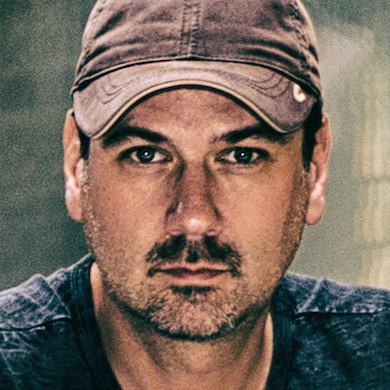 Dominic Mueller
The Hourglass & The Cross: Medieval Time's Sacred Rhythm
Imagine a world where time wasn't neatly sliced into seconds, minutes, and hours by a ticking clock on your wrist or phone. Imagine a world where the very fabric of existence, from dawn to dusk and birth to death, was interwoven with the divine. This was the reality of medieval Europe, a period stretching roughly from the 5th to the 15th century, where time was less a linear progression and more a sacred rhythm, dictated by the cosmos and, crucially, by the Cross.
Far from being a chaotic free-for-all, medieval life operated on a sophisticated, albeit different, understanding of time. It was a perception shaped by agricultural cycles, the movement of celestial bodies, and, most profoundly, by the pervasive influence of Christianity. In this article, we will embark on a journey back in time to explore the fascinating interplay between the practical measurement of time (the hourglass) and its spiritual interpretation (the Cross) that defined the medieval era. We’ll uncover how this unique perspective not only structured daily life but also profoundly influenced art, architecture, and the very soul of a civilization.
The Tyranny of the Sun: Early Medieval Timekeeping
Before the widespread adoption of mechanical clocks, the primary timekeeper for most of humanity was, quite simply, the sun. This was no less true in the early medieval period. Days were marked by sunrise (Prime), noon (Sext), and sunset (Vespers), with the time between these points often estimated by the sun's arc across the sky.
- Sundials: The most sophisticated "clocks" of this era were sundials. Found in monasteries, churches, and occasionally on public buildings, these devices used the shadow cast by a gnomon (a protruding stick or plate) to indicate the time. However, their utility was limited. They were useless at night, on cloudy days, or indoors. Furthermore, the "hours" they measured were often temporal hours – hours that varied in length depending on the season. A "daylight hour" in summer was significantly longer than a "daylight hour" in winter, making precise scheduling a challenge.
- Water Clocks (Clepsydras): For night-time and indoor timekeeping, especially in monastic settings, water clocks were employed. These intricate devices worked by regulating the flow of water from one vessel to another, often with markings on the receiving vessel indicating the passage of time. While more versatile than sundials, they required constant attention – refilling, cleaning, and recalibration – making them resource-intensive.
- Candle Clocks: A simpler, though less precise, method involved marking candles at regular intervals. As the candle burned, the marks would disappear, indicating the passage of time. King Alfred the Great is famously said to have used such candles, protected in lanterns to prevent drafts, to regulate his studies and official duties.
These early methods highlight a fundamental aspect of medieval time: it was often approximate and localized. While the concept of a "day" and a "night" was universal, the precise division of these periods could vary from one village to the next, from one monastery to another. Precision, as we understand it today, was largely a luxury, not a necessity.
The Monastic Revolution: Time for God
The true pioneers of time organization in the medieval world were the monastic orders, particularly the Benedictines. For monks and nuns, life was a meticulously structured devotion to God, and this devotion was manifested through the Liturgy of the Hours, also known as the Divine Office or Canonical Hours. These were fixed times throughout the day and night for prayer, psalmody, and communal worship.
- Matins/Vigils: Often before dawn, a solemn and sometimes lengthy service.
- Lauds: At sunrise, praising God for the new day.
- Prime: The "first hour" of daylight, around 6 AM.
- Terce: The "third hour," around 9 AM.
- Sext: Midday, the "sixth hour."
- None: The "ninth hour," around 3 PM.
- Vespers: At sunset, evening prayer.
- Compline: Before retiring for the night, the final prayer of the day.
These eight fixed points acted as a spiritual backbone for monastic life, around which all other activities – manual labor, study, copying manuscripts, tending to the sick – were arranged. The need to call the community to prayer at these precise moments spurred the development of more accurate timekeeping methods. Monasteries became centers of temporal innovation, refining water clocks and experimenting with early forms of mechanical escapements.
Interesting Fact: The very word "clock" comes from the Old North French word cloque, meaning "bell." Monastic communities used bells to signal the canonical hours, a practice that eventually transferred to towns and cities, where large public clocks would strike the hours for all to hear.
The monastic commitment to the Divine Office wasn't just about spiritual discipline; it had profound practical implications. It instilled a sense of routine and order in a world that could often feel chaotic. It provided a framework for agricultural work, for commerce, and for social gatherings. The sound of the monastery bell, echoing across the fields, was a constant reminder of the passing hours, linking the earthly realm to the divine.
The Hourglass Emerges: A Portable Measure
While monastic life refined the use of water clocks, another device gained prominence for its simplicity and portability: the hourglass. Emerging more widely in Europe around the 14th century, the hourglass offered a distinct advantage over sundials and water clocks.
- Independence: Unlike sundials, it didn't rely on the sun. Unlike water clocks, it wasn't prone to freezing in winter or needing constant refilling.
- Portability: Its compact design made it ideal for use in various settings: ships, workshops, and even in private homes.
- Relative Precision: While not perfectly accurate, a well-made hourglass could measure a fixed period (often an hour, hence the name) with reasonable consistency.
Practical Application: Hourglasses became indispensable on ships, where they were used to time "watches" (shifts) and to estimate longitude by measuring the time elapsed since noon. They were also used in legal proceedings to limit speaking times, in kitchens for cooking, and in workshops to time specific tasks.
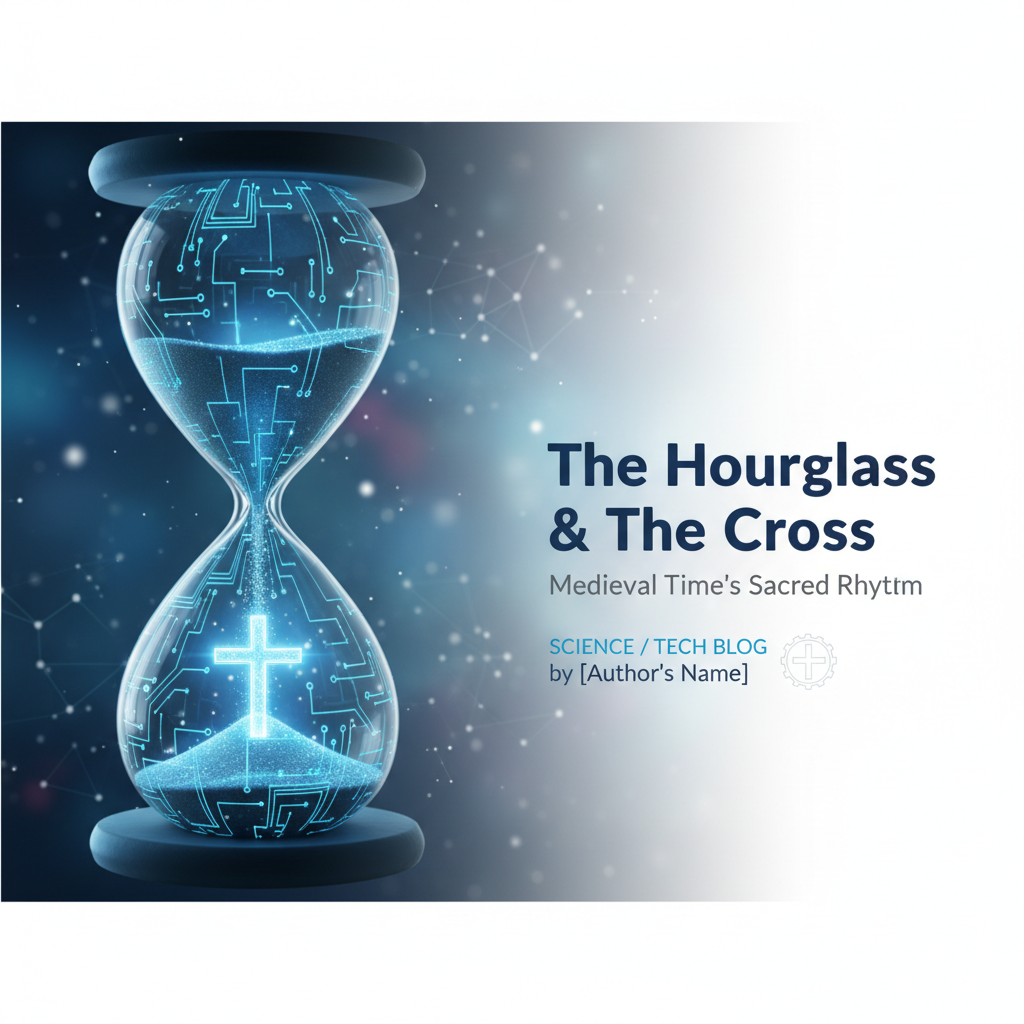
The hourglass, with its relentless trickle of sand, visually represented the irreversible flow of time. It was a tangible, silent reminder of mortality, a concept deeply ingrained in medieval thought. This brings us to the profound spiritual meaning embedded within medieval time.
The Cross as a Temporal Compass: Sacred Time
Beyond the practicalities of measurement, medieval time was fundamentally sacred. The entire year revolved around the Christian liturgical calendar, with its feasts, fasts, and holy days.
- The Liturgical Year: The year began not on January 1st, but with Advent, preparing for the birth of Christ at Christmas. This was followed by Epiphany, Lent, Easter (the most significant feast), Ascension, Pentecost, and then a long period of "Ordinary Time," punctuated by various saints' days. Each season had its own distinct character, its own rituals, and its own narrative.
- Weekly Rhythm: Sundays were holy days, set aside for worship and rest. Fridays were often days of fasting and penance, commemorating Christ's crucifixion.
- Daily Repetition: As discussed with the Divine Office, each day reiterated the story of salvation, from creation to redemption, through prayer and meditation.
The Eschatological Dimension: Medieval people lived with a profound sense of eschatology – the belief in the "last things": death, judgment, heaven, and hell. Time was not merely a journey through life, but a journey towards eternity, a preparation for the world to come. Every passing moment, every grain of sand in the hourglass, brought one closer to that ultimate reckoning.
- Memento Mori: The concept of "remember you must die" was a powerful motivator. Art, literature, and sermons frequently reminded people of the fleeting nature of earthly life. The hourglass itself became a symbol of memento mori, often depicted alongside skulls, skeletons, and the cross in medieval art.
- The Cross as the Center: The crucifixion of Christ was not just a historical event; it was the pivotal moment in sacred history, redeeming humanity from sin. The Cross stood as the ultimate temporal marker, dividing history into "before Christ" and "after Christ," and offering the promise of eternal life. It represented both the suffering of the temporal world and the hope of the eternal.
This sacred understanding meant that time was not neutral. It was imbued with meaning, purpose, and spiritual significance. Work done, prayers offered, and acts of charity performed within this framework were seen as contributing to one's spiritual salvation.
Time, Work, and Leisure: A Different Pace
The medieval understanding of time also shaped the rhythm of work and leisure.
- Agricultural Time: For the vast majority of the population, time was dictated by the agricultural calendar. Planting, harvesting, tending to livestock – these were seasonal activities, demanding intense labor during certain periods and offering relative respite during others. The concept of "working hours" as we know them today was largely absent. Work began at dawn and ended at dusk, or when the task was done.
- Feasts and Festivals: Unlike modern work cultures, medieval society incorporated numerous holy days and festivals. These weren't simply days off; they were integral to the social and spiritual fabric, providing opportunities for community, celebration, and spiritual reflection. These breaks were essential, recognizing the cyclical nature of human energy and the need for communal bonding.
- Limited Mechanization: With limited technology, most tasks were performed by hand, often at a pace dictated by physical endurance. This led to a slower, more deliberate approach to work, where quality and craftsmanship were often valued over speed and mass production.
Practical Takeaway: While we cannot simply revert to medieval time, there's an insight here about the integration of life. Work, worship, and community were not sharply segmented. There was a holistic flow that perhaps modern society, with its rigid work schedules and fragmented lives, could learn from. Reclaiming moments for reflection, integrating purpose into daily tasks, and valuing periodic breaks for true rejuvenation are echoes of this medieval wisdom.
The Dawn of Precision: Mechanical Clocks and the Fading Sacredness
The late medieval period, particularly the 14th century, witnessed a monumental shift in timekeeping: the invention of the mechanical clock. These early clocks, often large and complex, were initially installed in church towers and cathedrals, serving the same purpose as the monastic bells: to call people to prayer. However, their implications were far-reaching.
- Standardization: Mechanical clocks introduced the concept of equal hours – hours that were the same length regardless of the season. This was a radical departure from the "temporal hours" of sundials.
- Public Time: As clocks became more prevalent in public spaces, they began to standardize time across communities. The ringing of a public clock allowed for synchronized meetings, market schedules, and communal activities in a way never before possible.
- The Rise of "Clock Time": This new precision gradually began to detach time from its purely natural and sacred anchors. Time became a measurable commodity, a resource that could be managed, divided, and eventually, bought and sold.
While the Cross remained a central symbol, the relentless, impersonal ticking of the mechanical clock started to subtly shift humanity's perception. The hourglass, once a reminder of fleeting life, now represented a more controlled, quantifiable segment of it. The sacred rhythm began to give way to a more secular, instrumental understanding of time. This wasn't an overnight revolution, but a slow, gradual transformation that would culminate in the industrial age.
Conclusion: Echoes of a Sacred Past
The medieval world, with its hourglasses and its unwavering gaze upon the Cross, offers a profound counter-narrative to our hyper-scheduled, digitally-driven present. It reminds us that time is not merely a scientific construct or a commodity to be optimized. For centuries, it was experienced as a living, breathing entity, deeply intertwined with the divine and the natural world.
The "sacred rhythm" of medieval life was not about escaping time, but about embracing its deeper meaning. It was about living in harmony with the cosmos, acknowledging the cyclical nature of existence, and preparing for eternity. The hourglass, with its gentle, persistent flow, served as a physical reminder of life's brevity, while the omnipresent Cross offered the promise of its ultimate purpose.
Today, as we grapple with the pressures of always-on connectivity and the relentless pursuit of efficiency, perhaps there's a practical takeaway from this bygone era. It's not about abandoning our smartphones or smashing our watches. Instead, it's about finding moments to pause, to reflect, and to re-infuse our lives with meaning beyond the mere measurement of minutes. It's about remembering that even in our fast-paced world, there can still be a sacred rhythm, a connection to something larger than ourselves, if we only choose to listen for the subtle chimes that transcend the ticking clock. The hourglass and the cross, though separated by centuries, continue to whisper ancient truths about the precious, fleeting, and ultimately meaningful nature of time.
Make Every Second Count
Inspired by this article? Take action now! Create a custom timer to help you manage your time better and reach your goals.
Create Your TimerAbout Dominic Mueller
Dominic Mueller is a German director for television and film with a deep fascination for time and time measurement. When he's not behind the camera crafting compelling visual stories, he explores the intricate world of temporal perception and timekeeping. Based in the beautiful city of Cologne, Germany, Dominic shares his life with his girlfriend and their beloved dog, Nala, finding inspiration in both the precise mechanics of time and the fleeting moments that make life meaningful.