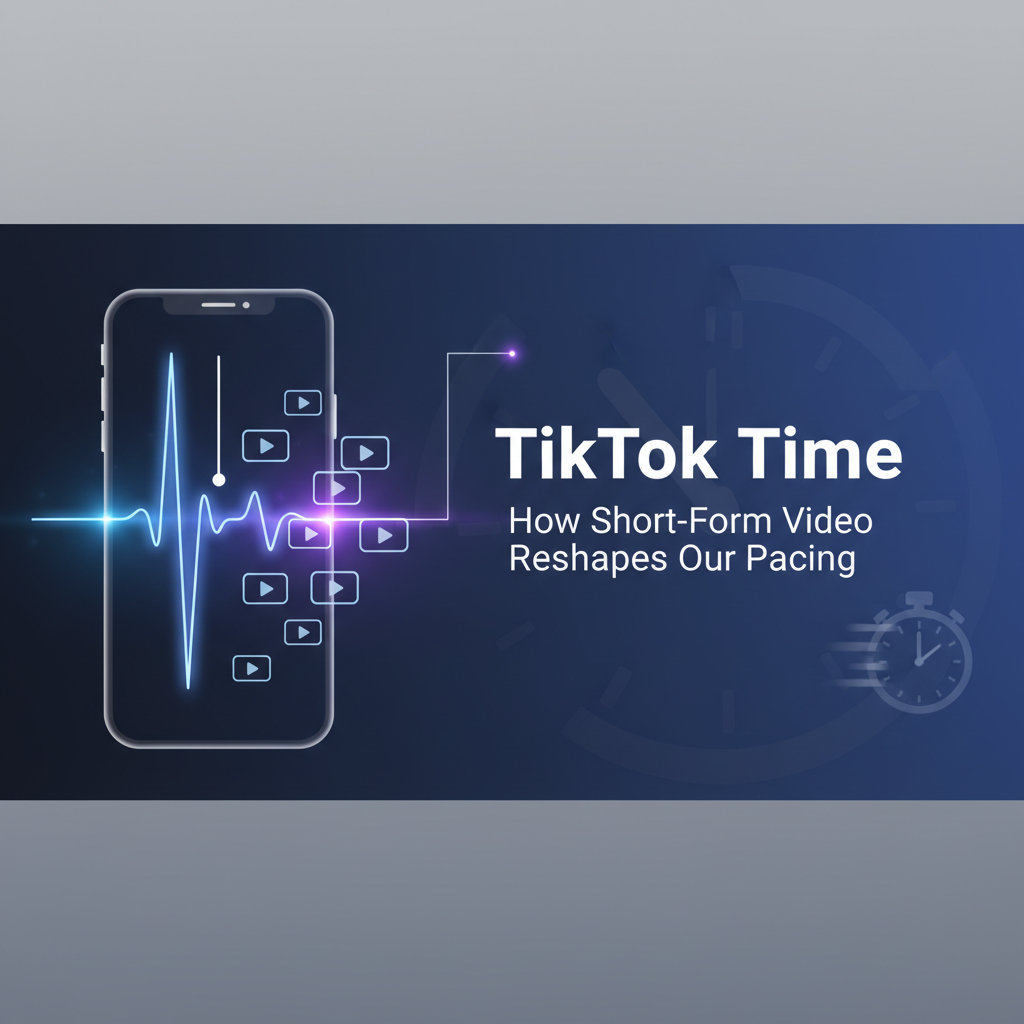
TikTok Time: How Short-Form Video Reshapes Our Pacing
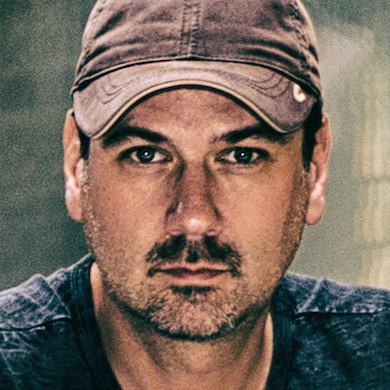 Dominic Mueller
TikTok Time: How Short-Form Video Reshapes Our Pacing
In a world increasingly dominated by the ticking clocks of our digital devices, one platform has emerged as a particularly potent sculptor of our temporal perceptions: TikTok. With its relentless stream of bite-sized videos, ranging from comedic skits to educational hacks, TikTok has not just captured our attention; it has fundamentally reprogrammed our internal clocks, shifting our expectations of pacing, engagement, and even productivity. We're not just watching videos; we're experiencing a new rhythm of life, a "TikTok Time" that reverberates far beyond the confines of the app.
The Micro-Moment Revolution: A New Unit of Attention
For centuries, our understanding of time was largely dictated by the sun, the seasons, and later, the mechanical clock. The advent of television introduced longer narratives, demanding sustained attention. The internet, initially, offered a buffet of articles, forums, and websites, still requiring a degree of commitment. Then came TikTok, and with it, the micro-moment.
Instead of minutes or hours, TikTok operates in seconds. A typical TikTok video ranges from 15 to 60 seconds, though the trend increasingly favors the shorter end of that spectrum. This isn't just a stylistic choice; it's a profound redefinition of the unit of digital attention. We're no longer consuming stories in chapters; we're consuming them in flashes, vignettes, and rapid successions of stimuli.
- Fact: A 2021 study by Statista revealed that the average TikTok user spends 89 minutes per day on the app, comprising a dizzying number of short video interactions.
- Insight: This constant switching between content trains our brains to expect rapid gratification and novelty, potentially impacting our ability to focus on longer tasks.
The Attention Economy's New Frontier: The Scarcity of Sustained Focus
In the digital age, attention is the most valuable currency. Platforms like TikTok are masterfully designed to capture and retain it, but at what cost to our capacity for sustained focus? The "endless scroll" mechanism, coupled with the unpredictable nature of the "For You Page" (FYP) algorithm, creates a potent cocktail of dopamine hits that keeps users hooked.
Each short video is a mini-experiment in capturing attention. The first few seconds are critical. If a video doesn't hook you immediately, a swipe is just a flick of the thumb away. This constant "auditioning" of content has instilled in us an almost automatic filter, making us quicker to dismiss anything that doesn't immediately deliver novel or engaging stimulation.
- Research: Neuroscientific studies suggest that our brains release dopamine in anticipation of rewards. The variable reward schedule of TikTok (where you never know what the next video will be) is incredibly effective at maintaining engagement, similar to how slot machines work.
- Takeaway: Recognizing this conditioning is the first step towards consciously managing our attention. Are we genuinely engaging with content, or are we simply chasing the next dopamine hit?
Pacing Our Lives: From Deep Work to "Snackable Content"
The influence of TikTok Time extends beyond passive consumption. It's actively reshaping how we approach creative work, learning, and even professional tasks. The concept of "snackable content" – information presented in digestible, bite-sized chunks – has exploded across all digital platforms.
- Creative Industries: Content creators, marketers, and even educators are increasingly adopting the TikTok style, condensing complex ideas into short, engaging formats. Think of Instagram Reels, YouTube Shorts, and even news outlets breaking down stories into bullet points and short video explainers.
- Learning & Productivity: There's a growing trend towards "micro-learning," where educational content is delivered in short bursts. While this can make learning more accessible, it also raises questions about the depth of understanding achieved compared to more traditional, sustained study. Can complex concepts truly be mastered in a 60-second video?
The challenge lies in finding a balance. While micro-content is excellent for discovery and quick updates, many tasks still demand sustained, deep work. Writing a blog post, coding a complex program, or reading a novel all require an ability to focus deeply for extended periods. If our brains are constantly being retrained to flit between stimuli, does this diminish our capacity for such long-form engagement?
The Illusion of Productivity: Accomplishing More, Feeling Less Fulfilled?
One intriguing aspect of TikTok Time is its ability to create an illusion of productivity. Because we're constantly switching between videos, absorbing snippets of information, and experiencing a rapid flow of content, it can feel like we're "doing a lot." We might learn a new cooking tip, see a travel destination, or grasp a historical fact, all within a few minutes.
However, this constant influx of disparate information can often lead to a feeling of mental fatigue without genuine accomplishment. It's like grazing on many small snacks instead of having a substantial meal. While you might feel full for a moment, you haven't truly nourished yourself in the same way.
- Observation: Many users report feeling drained after extended TikTok sessions, despite not having engaged in mentally demanding work. This "attention residue" (the lingering thoughts from previous tasks) can make it harder to transition to and focus on new, important tasks.
The Temporal Distortion Field: Where Does the Time Go?
Perhaps the most universally acknowledged impact of TikTok Time is its ability to distort our perception of actual time. How many times have you picked up your phone for "just a minute" to check TikTok, only to look up an hour or more later, wondering where the time went?
This temporal distortion is a result of several factors:
- Flow State: When we're deeply immersed in an activity, especially one that provides constant novelty and reward, we often lose track of time. TikTok is expertly designed to induce this flow state.
- Lack of Natural Pauses: Unlike traditional media with commercial breaks or natural story arcs, TikTok's endless scroll removes built-in opportunities to pause and re-evaluate.
- Algorithmic Hypnosis: The FYP algorithm is so uncannily good at serving up content tailored to our tastes that it creates a personalized, highly engaging, and almost hypnotic experience, making it difficult to disengage.
- Analogy: Think of it like driving down a fascinating highway with stunning, constantly changing scenery. You're so absorbed in the view that you don't realize how many miles you've covered until you reach your destination. TikTok is an infinite, personalized highway of content.
Reclaiming Our Pacing: Practical Strategies in a TikTok World
While TikTok Time is a powerful force, it doesn't have to dictate our entire existence. We can consciously reclaim our pacing and cultivate healthier digital habits.
- Set Time Limits: Most smartphones have built-in screen time features that allow you to set daily limits for specific apps. Use them. Start with a modest goal (e.g., 30 minutes) and gradually reduce it if desired.
- Scheduled Engagement: Instead of mindlessly scrolling whenever a free moment arises, designate specific "TikTok breaks." For example, allow yourself 15 minutes after lunch or before dinner.
- Mindful Swiping: Before swiping to the next video, pause for a second. Ask yourself: Am I genuinely enjoying this, or am I just clicking for the sake of it? This small act of mindfulness can break the automatic response.
- Vary Your Media Diet: Actively seek out longer-form content: read a book, watch a documentary, listen to a podcast. Reintroduce longer periods of sustained attention into your routine.
- Offline Activities: Engage in activities that inherently require focus and presence, such as cooking, gardening, practicing a musical instrument, or going for a walk without your phone.
- Recognize the Algorithmic Loop: Understand that the FYP is designed to keep you scrolling. Acknowledge this mechanism and empower yourself to be in control, not the algorithm.
- Deep Work Blocks: Schedule dedicated blocks of time for focused work that requires sustained attention. During these times, minimize distractions by putting your phone on silent or in another room.
The Future of Time: Adapting to Multiple Paces
As technology continues to evolve, it's unlikely that the trend of short-form content will disappear. Instead, we are entering an era where individuals will need to fluidly navigate multiple temporal pacings. The ability to shift between intense, short bursts of information and sustained, deep engagement will become a critical skill.
TikTok Time isn't inherently good or bad; it's a new reality. Like any powerful tool, its impact depends on how we choose to wield it. By understanding its mechanisms and consciously adjusting our habits, we can enjoy the rapid-fire entertainment and information it offers without letting it entirely hijack our internal clocks and capacity for deeper thought.
Conclusion: Mastering the Rhythm of Our Digital Lives
TikTok has irrevocably altered our temporal landscape, accelerating our expectations of engagement and reshaping our perceptions of what it means to spend time. It has demonstrated the immense power of micro-moments and the potent allure of algorithmic curation. As we continue to immerse ourselves in this fast-paced digital world, the challenge – and the opportunity – lies in mastering its rhythm rather than being swept away by its currents. By cultivating mindfulness, establishing boundaries, and diversifying our digital diets, we can ensure that "TikTok Time" remains a tool for entertainment and discovery, rather than an unintentional architect of our attention spans and our very sense of time itself. The clock is still ticking, but now, more than ever, it's up to us to decide the tempo.
Make Every Second Count
Inspired by this article? Take action now! Create a custom timer to help you manage your time better and reach your goals.
Create Your TimerAbout Dominic Mueller
Dominic Mueller is a German director for television and film with a deep fascination for time and time measurement. When he's not behind the camera crafting compelling visual stories, he explores the intricate world of temporal perception and timekeeping. Based in the beautiful city of Cologne, Germany, Dominic shares his life with his girlfriend and their beloved dog, Nala, finding inspiration in both the precise mechanics of time and the fleeting moments that make life meaningful.