Ephemeral Art: How Performance Culture Redefines Now
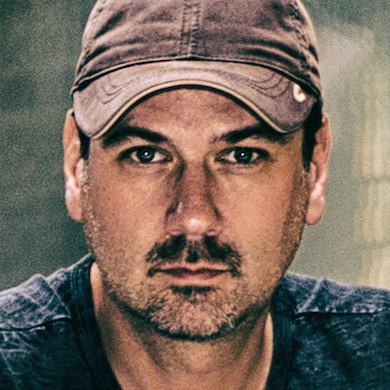 Dominic Mueller
Ephemeral Art: How Performance Culture Redefines Now
In a world obsessed with permanence – digital footprints, archived histories, and lasting legacies – there exists a counter-current, a profound whisper that reminds us of the preciousness of the present. This current is ephemeral art, and at its heart lies performance culture. Unlike a painting that hangs for centuries or a sculpture that endures the ages, performance art embraces the now. It is born in a moment, lives vibrantly within that moment, and then, often, dissipates into memory, leaving behind only echoes and impressions. This radical embrace of the temporary doesn't just challenge our artistic conventions; it fundamentally redefines our relationship with time itself, particularly the elusive concept of the "present."
From ancient rituals to avant-garde Happenings, and from street theatre to digital interventions, performance art has always toyed with the boundaries of existence and non-existence. It forces us to confront the fleeting nature of all things, pushing us to be here now in a way few other art forms can. This article delves into how performance culture, through its very essence, not only celebrates the transient but also reshapes our understanding and experience of the "now."
The Genesis of the Transient: A Brief History of Ephemeral Performance
While the term "performance art" largely gained prominence in the 20th century, the roots of ephemeral artistic expression stretch back millennia. Think of the elaborate, once-a-year dances of indigenous cultures, the passion plays of medieval Europe, or the celebratory processions of ancient civilizations. These were not meant to last; their power resided in their immediate, collective experience.
- Ancient Rituals: Many early human societies engaged in ritualistic performances – dances, ceremonies, storytelling – that were integral to their spiritual and social fabric. These events were time-bound, their impact resonating through shared memory rather than physical artifacts. The "now" of the ritual was paramount, creating a collective, heightened present for all participants.
- Medieval Pageantry: From jousting tournaments to religious mystery plays performed in town squares, these were vibrant, temporary spectacles. They transformed public spaces, drew large audiences, and then vanished, leaving behind only stories and the anticipation of next year's event. The focus was entirely on the live unfolding of the narrative, a shared immersion in a specific slice of time.
- The Avant-Garde Surge (Early 20th Century): The early 1900s saw a deliberate turn towards the ephemeral as artists rebelled against the commodification and institutionalization of art.
- Futurism: Artists like F.T. Marinetti championed speed, technology, and the fleeting beauty of modern life. Their "serate" (evenings) were chaotic, confrontational performances designed to shock and provoke, existing only in their immediate, explosive impact.
- Dada: Born out of the disillusionment of WWI, Dadaists embraced absurdity and chance. Their cabaret performances, poetry readings, and manifestos were raw, spontaneous, and utterly impermanent, rejecting the very idea of lasting artistic value. They forced their audiences into a "now" of discomfort and questioning.
- Post-War Explosion (Mid-20th Century): The 1960s witnessed a true explosion of performance art, often termed "Happenings" by Allan Kaprow.
- Fluxus: This international network of artists embraced everyday life, chance, and simple, often humorous "events." Their pieces were typically brief, conceptual, and focused on the interaction between artist and audience in real-time.
- Body Art: Artists began using their own bodies as the primary medium, subjecting themselves to endurance, pain, or transformation. Marina Abramović, Chris Burden, and Carolee Schneemann pushed boundaries, making the "now" of their physical experience the central focus of their work. The audience's present moment became intertwined with the artist's present.
This historical trajectory reveals a consistent thread: a deliberate choice to prioritize the immediate experience over the enduring artifact. This choice inherently redefines the "now" from a mere passing moment into a crucible of intense artistic and personal meaning.
The "Now" as Medium: How Performance Art Operates in Time
Unlike static art forms, performance art doesn't just exist in time; it is time. Its primary medium isn't paint or clay, but the unfolding sequence of moments, the shared present between artist and audience. This creates several fascinating dynamics:
1. The Irreversibility of Experience
A key characteristic of performance art is its irreversibility. You cannot pause it, rewind it, or experience it exactly the same way twice. Each performance is unique, a singular event in the spacetime continuum. This inherent ephemerality creates a heightened sense of urgency and presence for the audience. There's no second chance to fully grasp it; one must engage now. This mirrors the irreversible flow of life itself, reminding us that every moment is unrepeatable.
- Insight: In an age of recorded media where we can rewatch, reread, and relive almost anything, performance art stands as a powerful antidote. It trains us to value the unrepeatable now, fostering a deeper appreciation for present-moment awareness.
2. The Liveness Imperative
The concept of "liveness" is central. A performance happens here and now, with a living artist and a living audience sharing the same space and time. This synchronous presence creates a unique energy, a palpable connection that cannot be replicated by documentation. The "now" becomes a shared field of potential, where anything can happen, and reactions are immediate and authentic.
- Example: Laurie Anderson's multimedia performances are meticulously planned, yet their power lies in her live presence, her direct address to the audience, and the subtle variations that occur in the moment. The "now" is the stage for her narratives to unfurl and resonate.
- Research Fact: A study published in Trends in Cognitive Sciences suggests that shared experiences, particularly live events, can synchronize brain activity among participants, leading to a stronger sense of collective engagement and empathy. Performance art, by its nature, amplifies this effect.
3. Presence Over Possession
In a world driven by accumulation and ownership, performance art offers a radical alternative: presence over possession. You cannot own a performance; you can only experience it. This shifts the value from the object to the experience itself. The "now" is not something to be acquired but something to be lived. This challenges the capitalist impulse to commodify everything, positing that some of the most profound human experiences are, by nature, un-ownable.
- Practical Takeaway: This teaches us to find value in intangible moments – a conversation, a sunset, a shared laugh – rather than constantly seeking to capture, document, or own them. It encourages a richer, more present engagement with life.
4. Duration as a Sculptural Element
Time isn't just the container for performance; it's often a deliberate element sculpted by the artist. Some performances are fleeting, lasting mere seconds, while others stretch for hours, days, or even months.
- Short Duration: A rapid gesture, a sudden sound, a momentary tableau – these brevity pieces distill meaning into an intensely concentrated "now," demanding absolute attention.
- Long Duration (Endurance Art): Artists like Marina Abramović or Tehching Hsieh have explored extended durations, pushing the limits of physical and psychological endurance. Hsieh's "One Year Performance" series, where he would perform a single, repetitive action for an entire year (e.g., punching a time clock every hour on the hour), transformed the entire concept of the "now." Each "now" was not just a moment, but a point in an ongoing, relentless continuum, emphasizing the slow, inexorable march of time and its impact on identity. These works force both artist and audience to confront the relentless flow of minutes and hours, re-evaluating the significance of each passing "now."
The manipulation of duration forces us to confront our own relationship with time, questioning how we perceive its passing and the value we assign to its different segments.
The Audience's Role: Co-creating the Present
In traditional art forms, the audience is often a passive observer. In performance art, the line between performer and spectator often blurs, transforming the audience into active participants in the "now."
- Interaction and Immersion: Many performances invite or demand audience participation, transforming viewers into co-creators of the experience. This can range from subtle calls to attention to direct physical engagement. The audience's responses, movements, and even thoughts become integral to the unfolding "now" of the piece.
- Shared Vulnerability: The liveness of performance often creates a shared sense of vulnerability. The artist is exposed, and the audience, too, is exposed to an unpredictable, unrepeatable event. This shared "now" fosters a unique bond and a heightened sense of emotional connection. The present moment becomes a space of collective discovery and shared humanity.
- Memory as Residue: Once the performance ends, its physical manifestation ceases, but its impact lives on in the collective and individual memories of those who experienced it. These memories are not mere records; they are reconstructions, evolving narratives that keep the "now" of the performance alive in the mind.
This emphasis on participation and memory underscores that the "now" of performance isn't just about what's happening on stage; it's about what's happening within and between people, creating a collective present that resonates long after the moment has passed.
Redefining "Now" in a Hyper-Documented World
We live in an age of pervasive documentation. Every event, from the mundane to the monumental, is captured, streamed, and archived. Instagram stories, live feeds, and endless photo albums attempt to freeze moments in time. Yet, paradoxically, this constant documentation can often detract from our ability to truly live in the "now." We experience events through the lens of our phone, anticipating the post, rather than fully immersing ourselves in the present.
Ephemeral performance art offers a powerful counter-narrative:
- The Uncapturable Essence: While performances are often documented through photos and videos, these records are always secondary, a mere shadow of the live experience. They cannot convey the atmosphere, the shared energy, the smell, the subtle shifts in real-time. This forces us to acknowledge that some experiences are inherently uncapturable, and their value lies precisely in their untranslatability.
- The Value of Disappearance: By consciously embracing disappearance, performance art highlights the inherent value of fleeting moments. It teaches us that not everything needs to be preserved to be meaningful. Some "nows" are meant to be lived, appreciated, and then allowed to pass, leaving behind a richer inner landscape.
- Training Presence: Engaging with ephemeral art is a training ground for mindfulness. It demands our full, undivided attention, pulling us away from distractions and into the immediate sensory and emotional reality of the moment. It forces us to practice being present rather than merely witnessing or recording.
Research Fact: Neuroscientific studies on mindfulness show that focusing on the present moment can reduce stress, improve emotional regulation, and enhance overall well-being. Ephemeral art, by its very nature, encourages this mindful engagement.
Practical Takeaways: Bringing the "Ephemeral Now" into Daily Life
The lessons learned from performance culture's redefinition of the "now" are not confined to the art gallery. They offer profound insights applicable to our everyday lives:
- Embrace the Unrepeatable: Recognize that every moment, every conversation, every sunset is unique and will never happen in exactly the same way again. Appreciate its singularity rather than chasing a perfect, repeatable experience.
- Practice Deep Listening and Observing: In conversations, truly listen without preparing your response. When experiencing something beautiful, pause and observe with all your senses, rather than immediately reaching for your phone.
- Value Experiences Over Possessions: Invest in moments, connections, and personal growth rather than solely focusing on material accumulation. Remember that the most cherished memories are often intangible.
- Allow Things to Pass: Not every moment needs to be captured, documented, or held onto forever. Sometimes, the most powerful experiences are those we allow to unfold, resonate, and then gently fade, leaving behind a deeper understanding or feeling.
- Be Present in Your Body: Performance art often involves the body as a primary tool. Connect with your own physical presence – the sensations, the breath, the movement – as a way to anchor yourself in the "now."
- Cultivate Shared Moments: Actively seek out and participate in live events – concerts, community gatherings, even simply shared meals – where you can truly be present with others, co-creating a collective "now."
Conclusion: The Enduring Power of the Fleeting Moment
Ephemeral art, particularly within performance culture, doesn't just entertain or provoke; it serves as a crucial philosophical statement in our modern world. It is a constant, shimmering reminder that time is not a static commodity to be stored or manipulated, but a dynamic, irreversible flow. By embracing the temporary, by making the "now" its primary medium, performance art compels us to slow down, to engage deeply, and to value the extraordinary preciousness of each passing moment.
In doing so, it redefines the "now" from a mere point on a timeline to a rich, immersive field of experience – a place where artist and audience meet, where memory is forged, and where the true essence of human connection is often found. As we navigate an increasingly documented and archived existence, the whisper of ephemeral art grows louder, urging us to step away from the screens, to breathe deeply, and to live fully in the beautiful, unrepeatable present. The greatest masterpieces, it reminds us, are often those that exist only when we are truly, irrevocably, here and now.
Make Every Second Count
Inspired by this article? Take action now! Create a custom timer to help you manage your time better and reach your goals.
Create Your TimerAbout Dominic Mueller
Dominic Mueller is a German director for television and film with a deep fascination for time and time measurement. When he's not behind the camera crafting compelling visual stories, he explores the intricate world of temporal perception and timekeeping. Based in the beautiful city of Cologne, Germany, Dominic shares his life with his girlfriend and their beloved dog, Nala, finding inspiration in both the precise mechanics of time and the fleeting moments that make life meaningful.