Ritual Clocks: How Cultural Ceremonies Shape Our Present
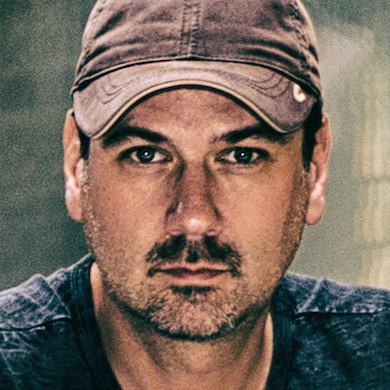 Dominic Mueller
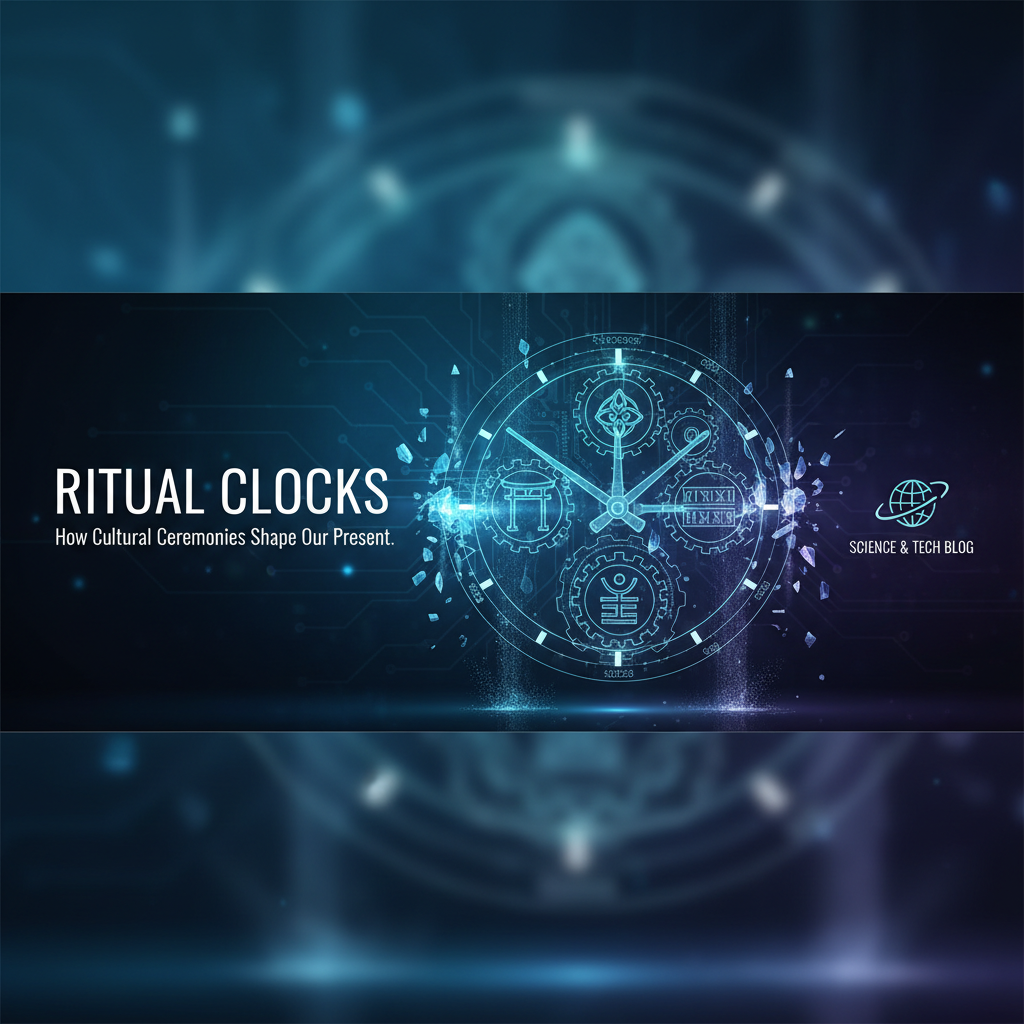
Ritual Clocks: How Cultural Ceremonies Shape Our Present
From the dawn of humanity, time has been an enigmatic and central organizing principle. We count it, measure it, dread its passing, and sometimes, wish we could bend it to our will. But beyond the ticking hands of a clock or the digital readout of a smartphone, there exists a deeper, more profound relationship with time, one that is woven into the very fabric of human existence: ritual time. These aren't the minutes and hours of our daily grind, but the cyclical rhythms of cultural ceremonies that, surprisingly, have a powerful and often unacknowledged influence on our present-day lives.
Imagine ancient societies, utterly dependent on natural cycles. The rising sun, the waxing and waning moon, the changing seasons – these weren't just observations; they were dictating survival. In response, humanity developed rituals: elaborate, symbolic acts designed to acknowledge, celebrate, or even intervene with these powerful cosmic clocks. These "ritual clocks" didn't just mark time; they created meaning in time, defining purpose, marking transitions, and profoundly shaping social structures and individual identities. This article will delve into the fascinating world of ritual clocks, exploring how these ancient and enduring cultural ceremonies continue to resonate in our modern, fast-paced world, shaping our collective and individual present in ways we often overlook.
The Genesis of Time: Ritual as Calendar and Clock
Before sophisticated天文台 and precise chronometers, societies relied on observable celestial phenomena and natural shifts to organize their lives. This wasn't merely about knowing when something would happen, but about understanding its significance.
Celestial Choreography: Sun, Moon, and Stars
The most fundamental ritual clocks are those tied to the movements of celestial bodies.
- Solar Rhythms: The solstices and equinoxes marked critical agricultural junctures – planting, harvesting, and periods of scarcity. Think of Stonehenge, an extraordinary ancient monument whose alignment with the sunrise on the summer solstice suggests a profound ritualistic connection to the sun's annual journey. Many ancient cultures, from the Egyptians to the Maya, built temples deeply intertwined with solar alignments, not merely for observation but for ceremonial recognition of these powerful temporal markers. These rituals served to synchronize the community with the sun's life-giving cycle, ensuring survival and fostering a shared sense of purpose.
- Lunar Cycles: The moon, with its predictable phases, offered a more granular calendar. Many indigenous cultures, like the Maori of New Zealand with their Maramataka (lunar calendar), meticulously tracked lunar phases for fishing, planting, and even social gatherings. The new moon and full moon often held special ritualistic significance, marking times for reflection, celebration, or specific spiritual practices. The monthly cycle of the moon, mirroring aspects of female reproductive cycles, often imbued lunar rituals with themes of fertility, renewal, and transformation.
- Stellar Navigation: Beyond the sun and moon, constellations served as important timekeepers and navigational aids. The heliacal rising of certain stars (their first appearance after being hidden by the sun's glare) often heralded important seasonal events. For example, the heliacal rising of Sirius (Sopdet) in ancient Egypt coincided with the annual flooding of the Nile, a vital event for their agriculture, and was celebrated with elaborate rituals. These stellar rituals weren't just about marking time; they were about attuning human society to the cosmic order.
Earth's Embrace: Seasons and Natural Phenomena
Beyond the heavens, the Earth itself offered a powerful temporal framework for ritual.
- Agricultural Cycles: The most pervasive ritual clocks revolved around food production. Planting ceremonies, harvest festivals (like Thanksgiving in its ancestral forms, or the European Lammas), and rituals for rain or fertile soil were not just practical acts but deep expressions of gratitude, hope, and dependence on nature's bounty. These rituals served to collectively acknowledge the importance of the land and the effort required for sustenance, reinforcing communal bonds and shared destiny.
- Rites of Passage: Human life itself, with its distinct phases, became a natural canvas for ritual clocks. Birth, puberty, marriage, and death are universally marked by ceremonies. These rites of passage, as theorized by Arnold van Gennep, are powerful temporal markers, signaling a transition from one social status or stage of life to another. They are not merely celebrations; they are transformative events that redefine an individual's relationship to their community and to time itself. A child becomes an adult, a single person becomes part of a couple, a living individual transitions to an ancestor – each change is ritualistically acknowledged, providing a clear temporal demarcation in the individual's life narrative.
The Psychology of Ritual Time: Meaning and Memory
Why do these ritual clocks hold such sway over us, even in a world dominated by atomic time? The answer lies in their profound psychological and social functions.
Structuring Narrative and Identity
Rituals imbue time with meaning beyond mere duration. They create narrative time. When we participate in a ritual, we are not just experiencing a segment of time; we are participating in a story, a historical continuity that connects us to previous generations and future ones.
- Collective Memory: Annual festivals, national holidays, and religious observances are powerful communal rituals that reinforce collective memory. Think of Diwali, the Hindu festival of lights, which not only marks a new year but celebrates the triumph of good over evil. Or Passover, which ritually re-enacts the Exodus story, ensuring its transmission across generations. These rituals keep historical narratives alive, shaping a shared identity and providing a sense of belonging in a vast, indifferent universe.
- Personal Milestones: Personal rituals, from birthday celebrations to graduation ceremonies, similarly structure individual identity. They serve as psychological anchors, marking progress, acknowledging achievements, and providing moments of reflection on our personal journeys through time. The anticipation leading up to these events, the intensity of the experience, and the memories they create, all contribute to a richer, more meaningful experience of time passing.
The Power of Repetition and Anticipation
Repetition is a cornerstone of ritual. The cyclical nature of ritual clocks fosters a sense of anticipation and predictability, which can be deeply comforting and psychologically grounding.
- Rhythmic Comfort: In an unpredictable world, the predictable return of a cherished holiday or annual tradition offers a sense of stability. Knowing that certain rituals will repeat allows us to plan, prepare, and look forward, creating a rhythmic pulse in our lives that transcends the monotonous linear flow of everyday time. This rhythmic comfort is particularly important in times of crisis or uncertainty.
- Altered States of Consciousness: The repetitive actions, chanting, music, and symbolic gestures within rituals can induce a heightened state of awareness, or even a temporary suspension of ordinary time. During intense ritual experiences, participants can feel a sense of timelessness, of being profoundly connected to something larger than themselves, or of experiencing a moment that feels eternal. Neuroscientific research has begun to explore how rituals can activate specific brain regions associated with reward, social bonding, and altered states of consciousness.
Modern Echoes: Ritual Clocks in a Digital Age
While many ancient ritual clocks were tied to agricultural cycles and celestial observations, their fundamental principles – marking transitions, reinforcing identity, and creating meaning – remain profoundly relevant today.
Secular Rituals and Contemporary Markers
Even in highly secularized societies, ritual clocks persist, albeit often in modified forms.
- National Holidays: New Year's Eve, with its countdown and celebratory rituals, is a global secular ritual marking a crucial temporal transition. Memorial Day or Remembrance Day are national rituals that collectively pause to honor historical events and sacrifices, shaping a nation's sense of continuity and identity.
- Corporate Rituals: Even the corporate world has its ritual clocks: quarterly reports, annual reviews, holiday parties. While seemingly mundane, these structured events mark temporal milestones, reinforce company culture, and provide opportunities for collective reflection and planning.
- Life Milestones Reinvented: While formal religious ceremonies might decline, the urge to ritualize life's transitions remains. Baby showers, gender reveal parties, proposal stories, "Sweet Sixteen" celebrations, retirement parties, and even increasingly elaborate pet memorial services demonstrate our innate need to mark passages of time with symbolic acts and communal gathering.
The Challenge of Digital Time
The advent of digital technology presents both opportunities and challenges for ritual clocks.
- Instant Gratification vs. Anticipation: Digital time often promotes instant gratification, which can diminish the power of anticipation inherent in many traditional rituals. The slow build-up to a festival, the weeks of preparation, are often shortened or compressed in our always-on world.
- Global Village, Local Customs: While the internet can connect people globally to share in rituals (e.g., live streaming religious services), it also highlights the diversity of ritual clocks, potentially leading to cultural homogenization or, conversely, a renewed appreciation for local traditions.
- Screen Time vs. Sacred Time: The constant demands of digital devices can encroach on the dedicated, focused time that rituals often require. Reclaiming "sacred time" away from screens, devoted solely to ritualistic practice, is a growing challenge in the modern age.
Practical Takeaways: Synchronizing with Your Own Ritual Clocks
Understanding ritual clocks isn't just an academic exercise; it offers practical insights into shaping a more meaningful and grounded present.
- Identify Your Personal Ritual Clocks: What are the recurring events in your life that hold special meaning? Birthdays, anniversaries, annual vacations, family gatherings – consciously acknowledge and cherish these temporal markers.
- Create New Rituals: Don't wait for designated holidays. Institute simple, meaningful rituals in your daily or weekly life. A morning meditation, a weekly family dinner (no phones allowed!), an evening walk, a monthly reflection journal. These small acts can ground you and give structure to your time.
- Embrace Anticipation: In our instant-gratification culture, actively cultivate anticipation. Plan for special events, savour the lead-up, and appreciate the journey as much as the destination.
- Reconnect with Natural Cycles: Spend time outdoors observing the changing seasons, the moon phases, the sunrise and sunset. This natural attunement can offer a profound sense of connection to larger temporal rhythms.
- Understand the "Why": For existing rituals you participate in, delve into their history and meaning. Understanding the cultural or personal significance can deepen your engagement and appreciation.
- Unplug for Sacred Time: Intentionally designate time for rituals where digital devices are put away. Allow yourself to be fully present in the moment, undistracted by external demands.
Conclusion: The Timeless Tick of Our Shared Humanity
Ritual clocks, whether ancient or modern, global or deeply personal, are far more than quaint traditions. They are the intricate mechanisms that grant meaning to the relentless march of time. They shape our understanding of existence, define our place within communities, and tether us to our past, present, and future. In a world increasingly defined by speed and technological efficiency, the slow, intentional, and deeply symbolic turning of ritual clocks offers a crucial counterpoint.
They remind us that time is not just a commodity to be managed, but a profound canvas upon which humanity paints its deepest fears, highest hopes, and enduring sense of purpose. By recognizing and re-engaging with these powerful cultural ceremonies, both inherited and self-created, we can enrich our present, strengthen our identities, and forge a more meaningful relationship with the most fundamental and mysterious dimension of our lives: time itself. The silent, powerful tick of ritual clocks echoes through history, guiding us, shaping us, and ultimately, defining what it means to be human in the ever-unfolding story of existence.
Make Every Second Count
Inspired by this article? Take action now! Create a custom timer to help you manage your time better and reach your goals.
Create Your TimerAbout Dominic Mueller
Dominic Mueller is a German director for television and film with a deep fascination for time and time measurement. When he's not behind the camera crafting compelling visual stories, he explores the intricate world of temporal perception and timekeeping. Based in the beautiful city of Cologne, Germany, Dominic shares his life with his girlfriend and their beloved dog, Nala, finding inspiration in both the precise mechanics of time and the fleeting moments that make life meaningful.