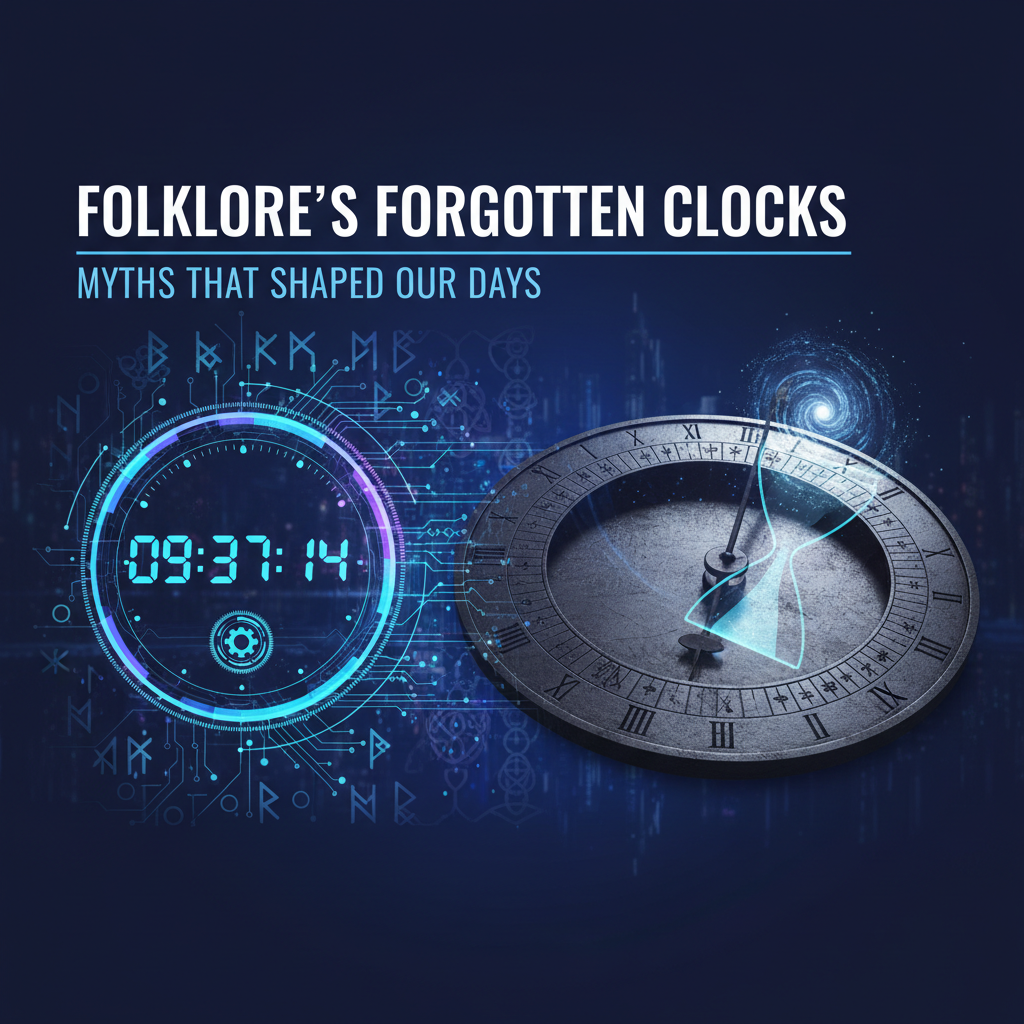
Folklore's Forgotten Clocks: Myths That Shaped Our Days
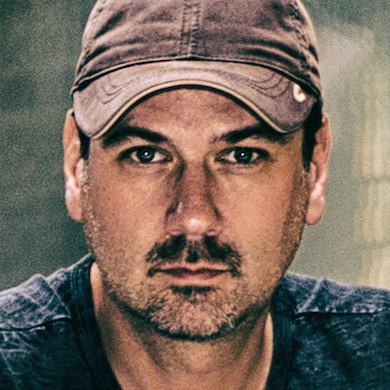 Dominic Mueller
Folklore's Forgotten Clocks: Myths That Shaped Our Days
Time, in its relentless march, is a concept we often take for granted. We track it with atomic precision, synchronize our lives with global clocks, and mark its passage with digital readouts. Yet, for the vast majority of human history, time wasn't a universal constant displayed on a wrist or phone. It was a fluid, often mysterious entity, interpreted through the rhythms of nature, the whispers of the wind, and the stories passed down through generations. These stories, these "folklore clocks," weren't just whimsical tales; they were the very fabric of how our ancestors understood, anticipated, and even tried to manipulate the unfolding of their days.
In this deep dive, we'll unearth the forgotten timekeepers of folklore, exploring how ancient myths and beliefs provided not just a sense of order, but also infused meaning and wonder into the everyday experience of time. From celestial observers to whispering winds, from animal diviners to the very fabric of human life, prepare to journey back to a world where narrative, not technology, dictated the tick and tock of existence.
The Cosmic Loom: Weaving Time from the Stars and Sun
Before the pendulum swing and the gear's grind, humanity looked to the heavens for its grandest clock. The sun, moon, and stars weren't just distant lights; they were the dependable mechanisms that orchestrated the cosmos, and by extension, earthly life.
The Sun's Daily Dance: Mythical Sunrise and Sunset
Every sunrise brought a new day, a fresh slate. But for many cultures, this wasn't a mere astronomical event. The sun was an entity, a deity, a hero embarking on a journey.
- Ra's Barque (Ancient Egypt): In ancient Egypt, the sun god Ra sailed across the sky in his solar barque, bringing light and life to the world. His daily journey from east to west was the ultimate representation of a day's passage. Each night, he descended into the underworld, battling darkness and chaos, only to be reborn at dawn. This myth didn't just explain the sun's movement; it provided a cyclical understanding of time, linking daily renewal with the eternal struggle between order and chaos.
- Apollo's Chariot (Greek Mythology): For the Greeks, Apollo, the god of light, music, and prophecy, was often depicted driving his fiery chariot across the sky, pulling the sun behind him. His journey marked the hours, and the care with which he guided his steeds determined the quality of the day. A delay or deviation could spell disaster, highlighting the unpredictable nature of time before precise measurements.
- The Raven's Gift (Indigenous North American Folklore): Various Indigenous cultures have myths about the origin of the sun and moon. For many Pacific Northwest tribes, Raven, the trickster god, stole the sun and moon from a greedy chief, bringing light and time to a world shrouded in darkness. This myth underscores the preciousness of light and the division of time into day and night as gifts, not just natural occurrences.
The Moon's Ethereal Ebb and Flow: Lunar Months and Tides
The moon, with its mesmerizing phases, offered a different kind of temporal rhythm. Its waxing and waning directly influenced tides, agricultural cycles, and even beliefs about human fertility and fate.
- Hecate and the Triple Goddess (Greek/Celtic): The moon was often associated with powerful goddesses – Hecate in Greek mythology, or the Celtic concept of the Triple Goddess (Maiden, Mother, Crone). Each phase of the moon corresponded to a stage of life or a particular magical power, making the lunar cycle a temporal marker for rituals, harvests, and personal transitions. The full moon, for instance, was often seen as a potent time for magic and manifestation.
- Wolf's Howl (Various Cultures): The association of wolves with the full moon is ubiquitous. In many mythologies, the wolf howls not just at the moon, but to the moon, acknowledging its power and its role as a nocturnal clock. These myths often imbued the full moon with a sense of feral energy, a time when boundaries blurred and the wild aspects of nature (and human nature) emerged. This connection often served as a natural alarm clock for hunting or gathering activities tied to lunar cycles.
The Constellations as Cosmic Calendars
Beyond the sun and moon, the constellations provided long-term temporal markers, guiding agricultural planning, seasonal migrations, and even the planning of wars and festivities.
- The Pleiades (Worldwide): Perhaps the most universally recognized celestial clock, the Pleiades star cluster (the "Seven Sisters") signaled critical seasonal changes for countless cultures. In ancient Greece, its rising before dawn marked the beginning of sailing season and harvest. For Māori, the cluster (Matariki) signified the New Year and was carefully observed for agricultural omens. Its disappearance and reappearance in the night sky were reliable, long-term temporal indicators. The precision of these observations truly highlights humanity's innate drive to measure and predict time.
- Orion the Hunter (Global): Orion, with its distinctive belt, also served as a seasonal marker, often associated with winter and the hunting season in many northern hemisphere cultures. Its position in the night sky could indicate the progress of the colder months, influencing decisions about food storage and preparations.
Earth's Whispers: Natural Phenomenon as Timekeepers
While the heavens provided the grand calendar, the earth itself offered more immediate, localized clocks. The rustle of leaves, the call of a bird, and the whisper of the wind were all interpreted as signals of time's passage.
Animal Clocks: Avian Alarms and Insect Indicators
Animals, with their instinctive rhythms, were highly reliable timekeepers, their behaviors offering cues about the hour, the season, and even impending weather.
- The Rooster's Crow (Universal): Arguably the most iconic animal clock, the rooster's crow at dawn is a symbol of a new day across nearly all cultures. In folklore, it's not just a sound; it's a defiant call announcing the vanquishing of night, often believed to drive away evil spirits and ghosts. This natural alarm clock was indispensable in a world without mechanical timekeeping.
- Cicada Songs (Summer's Arrival): The persistent, droning chorus of cicadas in many parts of the world signals the peak of summer. Their emergence and mating calls are a seasonal clock, marking the hottest months and often associated with the abundance of the season.
- Bird Migration (Seasonal Changes): The arrival and departure of migratory birds were critical indicators of seasonal shifts, guiding ancient peoples on when to plant, harvest, or prepare for winter. The swallow's return, for instance, is a classic sign of spring in many European traditions.
- Spider Webs (Morning Dew): Some folk practices observed the presence and thickness of dew on spider webs in the morning as an indicator of the day's progression or weather patterns, effectively using nature's subtle cues as a barometer of time and environment.
The Wind's Whisp: Atmospheric Time Signals
The wind, a seemingly formless entity, also held temporal significance, its direction and intensity often tied to specific times of day or seasons, sometimes even carrying omens.
- The Four Winds (Cardinal Directions): Many cultures personified the winds, associating them with specific directions and times of year. The north wind might bring winter, the south wind summer. Observing these felt signals provided a sense of seasonal progression.
- Sea Breezes and Land Breezes: Along coastlines, the predictable shift between land and sea breezes in a 24-hour cycle served as a natural clock, guiding fishermen and sailors. The morning sea breeze and the evening land breeze were as reliable as any sundial.
Human Rhythms: Life's Stages as Temporal Markers
Beyond the natural world, human life itself, with its inevitable stages and rituals, provided a profound sense of time's passage. Birth, initiation, marriage, and death weren't just personal milestones; they were communal temporal markers, shaping village life and cultural memory.
Birth and Death: The Bookends of Time
The beginning and end of life are perhaps the most potent human temporal markers, delineating the span of an individual's existence.
- Naming Ceremonies (Early Life): Many cultures hold naming ceremonies days or weeks after birth, marking the official entry of a new individual into the community and the beginning of their temporal journey.
- Funeral Rites (Passage to the Afterlife): Elaborate funeral rites across cultures are not just about mourning; they are ritualized acknowledgments of the end of a temporal journey on earth, often accompanied by beliefs about an afterlife, where time might function differently or cease to exist.
Rites of Passage: Marking the Flow of Life
Adolescence, adulthood, and elderhood were not abstract concepts, but periods marked by specific rituals and responsibilities, creating a societal clock for individuals.
- Initiation Rituals (Adolescence to Adulthood): From vision quests to elaborate ceremonies, initiation rites across cultures served as a clear transition from childhood to adulthood. These rituals were often rigorously scheduled based on age or natural cycles, marking a significant temporal shift in a person's life and role within the community.
- Marriage and Family Building (Societal Contribution): Marriage was a crucial temporal marker, signifying the establishment of a new family unit and the assumption of adult responsibilities, often tied to seasons of abundance or community events. The arrival of children further marked the generational passage of time.
Practical Takeaways: Reconnecting with Ancient Rhythms
What can we, with our hyper-precise digital clocks, learn from these folklore timekeepers?
- Re-embrace Observational Awareness: Our ancestors were acutely attuned to their environment. Take moments to notice the subtle cues of nature: the changing quality of light, the sounds of birds at different times of day, the phases of the moon. This isn't about ditching your smartwatch, but enriching your perception of time.
- Understand Cyclical Time: Modern life often emphasizes linear time – moving forward, progress. Folklore reminds us of cyclical time – renewal, return, repetition. Embracing this can reduce stress and foster a sense of belonging within natural rhythms. Consider the seasons not just as weather changes, but as integral parts of a larger cycle.
- Find Meaning in Milestones: Our lives are full of personal milestones, big and small. Acknowledge them, celebrate them. Many ancient traditions imbued even mundane daily activities with ritualistic timekeeping (e.g., specific prayers at sunrise, midday, and sunset). Finding personal rituals can add meaning to temporal passages.
- Stories as Time Capsules: Folklore isn't just about when things happened, but how they happened and why. Engaging with stories, myths, and legends from your own cultural heritage or others can connect you to deeper temporal understandings and the wisdom of generations.
- The Human Element of Time: Before technology, time was deeply personal and communal. Consider how your actions and interactions create shared temporal experiences. Punctuality, schedules, and deadlines are modern constructs; shared meals, conversations, and celebrations are timeless.
Conclusion: The Timeless Echo of Ancient Clocks
The "folklore clocks" of our ancestors were far more than rudimentary timekeeping devices. They were narratives, belief systems, and communal practices that imbued time with meaning, connection, and wonder. They taught humans to read the world around them, to anticipate, to plan, and to feel deeply embedded in the grand cosmic dance.
In our era of unprecedented speed and precision, it's easy to dismiss these ancient ways as mere superstition. Yet, by understanding these "forgotten clocks," we gain a richer appreciation for the human experience of time itself. We learn that time is not just a measurement, but a story – one whispered by the wind, sung by the cicadas, navigated by the stars, and ultimately, lived and told by us. Perhaps by reconnecting with these ancient rhythms, we can not only deepen our understanding of the past but also enrich our experience of the present, making our days more mindful, meaningful, and genuinely connected to the timeless tapestry of existence.
Make Every Second Count
Inspired by this article? Take action now! Create a custom timer to help you manage your time better and reach your goals.
Create Your TimerAbout Dominic Mueller
Dominic Mueller is a German director for television and film with a deep fascination for time and time measurement. When he's not behind the camera crafting compelling visual stories, he explores the intricate world of temporal perception and timekeeping. Based in the beautiful city of Cologne, Germany, Dominic shares his life with his girlfriend and their beloved dog, Nala, finding inspiration in both the precise mechanics of time and the fleeting moments that make life meaningful.