
Batching Brilliance: Grouping Tasks for Supercharged Time Blocks
 Dominic Mueller
Batching Brilliance: Grouping Tasks for Supercharged Time Blocks
In the relentless march of modern life, where attention spans dwindle and the to-do list seems to grow exponentially, the quest for productivity often feels like an uphill battle. We flit from email to document, from meeting to notification, leaving a trail of half-finished tasks and a persistent sense of overwhelm. But what if there was a way to tame this chaos, to orchestrate your time with precision and power? What if you could transform your working hours from a fragmented scramble into highly effective zones of deep work and focused achievement?
Enter batching, a deceptively simple yet profoundly powerful productivity technique that promises to supercharge your time blocks and unlock new levels of efficiency. It's not about working harder, but working smarter – by grouping similar tasks together and tackling them in dedicated, uninterrupted bursts. Think of it as a strategic offensive against the insidious enemy of context switching, a cognitive drain that silently erodes your focus and productivity.
The Cognitive Cost of Context Switching: Why Multitasking is a Myth
Before we dive into the brilliance of batching, it's crucial to understand the problem it solves. Our brains, despite their incredible complexity, are not designed for true multitasking. When you jump from writing a report to answering an email, then to scheduling a meeting, and back to the report, your brain isn't doing all those things simultaneously. Instead, it's rapidly switching between them.
This "context switching" comes with a hefty cognitive price. Research by the American Psychological Association (APA) suggests that constantly switching between tasks can lead to a 40% drop in productivity. Each time you shift gears, your brain has to reorient itself, recall relevant information, and load the new task's "context." This process consumes mental energy, slows down your work, and increases the likelihood of errors. It's like having to reboot your computer every time you open a new application – incredibly inefficient and frustrating.
Beyond lost time, constant context switching also leads to:
- Increased stress and mental fatigue: The effort of continually reorienting yourself is exhausting.
- Reduced quality of work: Errors become more common when your focus is fragmented.
- Diminished deep work capacity: It becomes nearly impossible to enter a state of flow when constantly interrupted.
- A feeling of being perpetually busy but not productive: You're always doing something, but rarely finishing anything substantial.
This is where batching steps in, offering a strategic antidote to the multitasking malaise.
What is Batching? A Strategic Approach to Task Grouping
At its core, batching is the practice of combining similar, small, or related tasks and completing them all at once during a dedicated time block. Instead of handling emails as they arrive, responding to phone calls intermittently, and drafting social media posts throughout the day, you would:
- Dedicate a specific time slot to process all your emails.
- Schedule a block for all your phone calls and messages.
- Set aside an hour to create all your social media content for the week.
The magic of batching lies in its ability to leverage momentum and minimize the cognitive friction associated with context switching. When you're in "email mode," your brain is primed for that specific type of work. It can recall email etiquette, identify priorities, and compose responses much more efficiently than if it had to switch from code to email to meeting notes.
The Science Behind the Success: Why Batching Works
Beyond anecdotal evidence, several psychological and neurological principles underpin the effectiveness of batching:
- Reduced Start-Up Costs: Every task has a "start-up cost" – the mental effort required to get going. By batching, you pay this cost once for a group of tasks rather than repeatedly for each individual task. Imagine setting up a paint palette: you do it once, then paint several pictures, rather than mixing new paints for each brushstroke.
- Optimized Mental Priming: When you focus on a single type of task, your brain enters a specific mental state. This state is optimized for the task at hand, allowing for faster processing and better decision-making. Researchers often refer to this as task-set inertia or cognitive momentum. Once your brain is "warmed up" for a particular type of activity, it performs subsequent similar activities with greater ease and speed.
- Flow State Facilitation: Batching creates an environment conducive to entering a "flow state" – that highly desirable psychological condition where you are fully immersed in an activity, lose track of time, and perform at your peak. Constant interruptions, the antithesis of batching, are the biggest disruptors of flow.
- Minimizing Decision Fatigue: Every small decision, from "should I open this email now?" to "what should I write next?", consumes mental energy. By grouping tasks, you make fewer decisions about what to do next, freeing up cognitive resources for the actual doing.
- Enhanced Focus and Attention: When a specific block of time is dedicated to a particular task type, it signals to your brain that this is the primary focus. This helps in filtering out distractions and maintaining a higher level of concentration.
Practical Applications: How to Implement Batching in Your Life
Batching isn't a one-size-fits-all solution; it requires a thoughtful assessment of your workflow. Here's how to integrate it effectively:
1. Identify Batchable Tasks
Start by auditing your daily and weekly activities. Look for tasks that are:
- Similar in nature: Emails, phone calls, social media posts, data entry, administrative duties, content creation (writing, editing, graphic design).
- Small and frequent: Tasks that often interrupt your deep work, like responding to queries or quick approvals.
- Related to a specific tool or environment: For example, tasks requiring specific software or physical materials.
Examples of Batchable Tasks:
- Communication: Email replies, Slack messages, phone calls, voicemail checks.
- Administrative: Filing, scheduling appointments, approving expenses, organizing digital files.
- Content Creation: Writing blog posts, drafting social media captions, editing videos, designing graphics.
- Learning/Development: Reading industry articles, watching training videos, reviewing research papers.
- Household Chores: Doing laundry, washing dishes, meal prepping, paying bills.
2. Time Blocking for Batching
Once you've identified batchable tasks, the next crucial step is to assign them specific, dedicated time blocks in your calendar. This is where time blocking and batching become powerful allies.
- Schedule email blocks: Instead of checking emails constantly, schedule 2-3 specific times a day (e.g., 9:00 AM, 1:00 PM, 4:30 PM) to process your inbox. Close your email client outside these times.
- Designate a communication hour: Group all your calls, messages, and quick chats into a single block.
- Create a content creation sprint: If you produce regular content, dedicate a few hours once or twice a week to write multiple articles, social media posts, or video scripts.
- Batch decision-making: If you're managing a team, gather all minor decisions for a specific meeting or internal block.
3. Minimize Distractions During Batch Blocks
The effectiveness of batching hinges on uninterrupted focus. During your batching blocks, commit to:
- Turning off notifications: Silence your phone, close irrelevant tabs, and disable desktop alerts.
- Communicating your availability: Let colleagues know you're in a "focus time" and will respond at your designated communication times.
- Finding a distraction-free environment: If possible, move to a quiet space.
4. Experiment and Adapt
Batching is not a rigid system; it's a flexible framework.
- Start small: Don't try to batch everything at once. Pick one or two areas where you feel most overwhelmed.
- Observe and adjust: Pay attention to how your energy levels and productivity change. Are your email blocks too long or too short? Do you need more time for content creation?
- Consider your peak energy times: Schedule your most demanding batch tasks (e.g., complex writing) during your most productive hours.
Beyond Work: Batching in Everyday Life
The beauty of batching extends far beyond professional tasks. Imagine:
- Meal prepping: Batch cooking meals or ingredients for the entire week saves time and mental energy during busy weekdays. You shop once, cook once, and clean once.
- Errand running: Grouping all your errands (grocery store, post office, dry cleaner, bank) into one trip saves fuel, time, and the mental overhead of separate outings.
- Household chores: Dedicating a specific block on a Saturday morning to laundry, cleaning, and tidying ensures everything gets done without feeling like a constant chore.
- Personal finance management: Batching bill payments, budget reviews, and investment checks to a single day each month.
By applying batching principles to personal tasks, you free up more spontaneous time and reduce the mental clutter of an ever-present backlog.
The Long-Term Benefits of Batching
Embracing batching as a core productivity strategy offers a multitude of long-term advantages:
- Increased Sense of Control: By consciously structuring your time, you move from reactively responding to proactively shaping your day. This significantly reduces feelings of being overwhelmed.
- Reduced Stress and Burnout: Less context switching means less mental fatigue, which in turn leads to lower stress levels and a reduced risk of burnout.
- Higher Quality Work: Dedicated focus allows for deeper thinking and fewer errors, resulting in superior output.
- More Free Time: When you accomplish more in less time, you genuinely create more space for hobbies, relaxation, and personal pursuits. This isn't just about packing more into your day; it's about reclaiming your time.
- Improved Time Perception: Time feels less fragmented and rushed when you're engaging in focused blocks. You gain a better grasp of how long tasks truly take.
- Enhanced Self-Efficacy: Successfully completing batches of tasks builds confidence and a sense of accomplishment, fueling further motivation.
Potential Pitfalls and How to Avoid Them
While batching is powerful, it's not without its challenges:
- Emergency Interruptions: Some tasks demand immediate attention. Instead of abandoning batching, have a clear protocol for true emergencies. For non-emergencies, train yourself to defer.
- Over-Batching: Trying to batch too many dissimilar tasks can undermine the benefits. Stick to grouping truly similar items.
- Lack of Flexibility: Don't become a slave to your schedule. Life happens. If a batch block needs to be moved or shortened, be flexible, but try to reschedule it rather than abandon it completely.
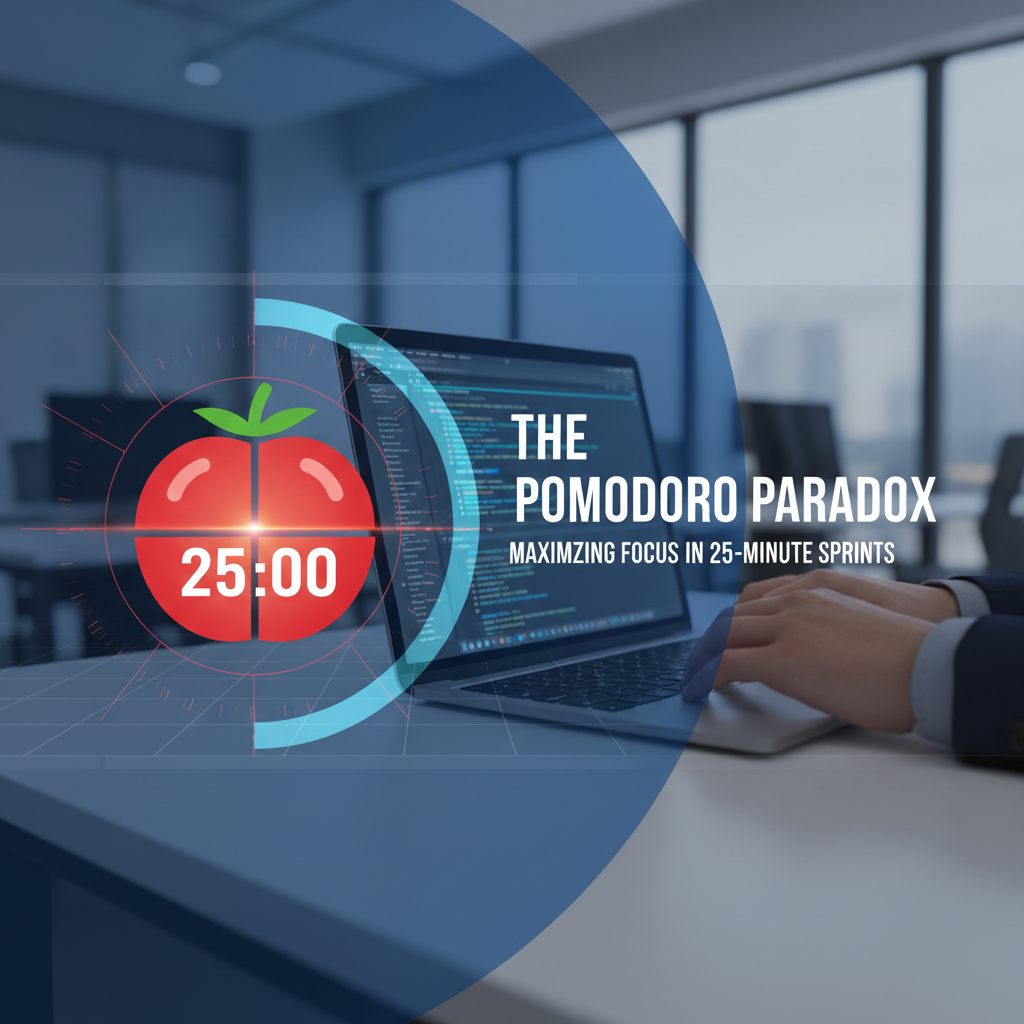
- Procrastination within the Batch: Just because tasks are batched doesn't mean you'll instantly conquer them. Use techniques like the Pomodoro Technique within your batch blocks to maintain focus and energy.
Conclusion: Orchestrating Your Time for Maximum Impact
In a world clamoring for our attention, batching emerges as a beacon of strategic efficiency. It's a testament to the power of intentional design over passive reaction. By understanding the cognitive drain of context switching and consciously grouping similar tasks, you can transform your fragmented existence into a symphony of focused productivity.
Batching isn't just a time management tactic; it's a philosophy of work that honors your brain's natural capabilities, cultivates deep work, and ultimately, grants you the profound gift of time. So, take a moment, analyze your workflow, and start identifying those clusters of tasks waiting to be batched. You might just discover that the secret to supercharging your time blocks and unlocking brilliant productivity has been waiting for you, organized and ready to conquer, all along. Begin your journey to batching brilliance today, and watch as your productivity soars and your sense of calm takes root.
Make Every Second Count
Inspired by this article? Take action now! Create a custom timer to help you manage your time better and reach your goals.
Create Your TimerAbout Dominic Mueller
Dominic Mueller is a German director for television and film with a deep fascination for time and time measurement. When he's not behind the camera crafting compelling visual stories, he explores the intricate world of temporal perception and timekeeping. Based in the beautiful city of Cologne, Germany, Dominic shares his life with his girlfriend and their beloved dog, Nala, finding inspiration in both the precise mechanics of time and the fleeting moments that make life meaningful.